Beacon Kapithold Review 2026: Is It Safe & Worth Your Money?
In-depth Beacon Kapithold review updated for 2026. We tested spreads, key features, supported countries, and safety. Read our full verdict.

In-depth Beacon Kapithold review updated for 2026. We tested spreads, key features, supported countries, and safety. Read our full verdict.
| Min Deposit | $200 |
| Max Leverage | 1:500 |
| Assets | Forex, Indices, Commodities, Crypto CFDs, Share CFDs |
| Platforms | Proprietary WebTrader, iOS app, Android app |
A multi-asset CFD venue built for traders who want leverage and a simple WebTrader stack without committing to a large starting balance, Beacon Kapithold suits active speculators—so long as you’re comfortable with an offshore-style framework as the price of that flexibility. In my test account, the Standard tier leaned on spread-only pricing while the Raw/ECN-style tier tightened quotes in exchange for a per-lot commission. Product coverage is broad enough for a “core watchlist” (FX majors, key indices, gold, and large-cap crypto CFDs), and the mobile apps mirror the web layout closely. The standout is the clean execution panel and margin visibility; the main drawback is that investor protections don’t match top-tier jurisdictions. See the platform here: Beacon Kapithold.
Beacon Kapithold looked operational and tradeable in my checks, not like a “vanishing broker” setup, but it sits in an offshore registration category that carries higher counterparty risk than Tier-1 regulated firms. I was able to complete KYC, place trades, and receive a withdrawal, which supports legitimacy—yet “safe” depends on how you weigh that offshore caveat.
My account was onboarded under a Mauritius FSC registration footprint, which is a common path for international CFD brands servicing a wide set of regions. In practice, that can mean more generous leverage (up to 1:500 here) and fewer rigid product constraints, but also lighter investor compensation schemes and less leverage for clients if a dispute turns adversarial. I ran a basic red-flag sweep: no aggressive “account manager” pressure, no suspicious trophies plastered across the client portal, and the withdrawal request didn’t get stalled by surprise hurdles. On the safeguards side, the broker enforced AML/KYC (photo ID plus proof of address) and referenced segregated client funds language in the legal docs I reviewed inside the portal. Still, remember what you’re trading: CFDs are leveraged products, margin calls happen fast, and most retail accounts lose money—only risk capital belongs here.
This broker is geared toward international clients across parts of Asia-Pacific, MENA, and emerging markets, while the USA and sanctioned jurisdictions are off-limits. Eligibility is ultimately confirmed through identity checks rather than marketing copy.
| Region | Status | Leverage Cap |
|---|---|---|
| Southeast Asia | Accepted | Up to 1:500 |
| MENA (non-sanctioned) | Accepted | Up to 1:500 |
| Latin America | Accepted | Up to 1:500 |
| Europe (non-EU/EEA) | Accepted | Up to 1:200 |
| USA | Restricted | Not offered |
| Sanctioned jurisdictions | Restricted | Not offered |
In my signup flow, the platform used a mix of IP/location prompts and KYC screening to confirm eligibility, and it can re-check status at withdrawal. Because cross-border rules move quickly, a country that’s accepted today can flip to restricted with little notice.
Rather than leaning hard into any single niche, the lineup feels designed for a classic CFD watchlist: the major FX crosses, the headline indices, a handful of commodities, plus liquid crypto pairs for out-of-hours volatility.
All of this is CFD exposure: you’re trading price movement, not taking ownership of shares, receiving shareholder voting rights, or holding on-chain crypto. Any “dividend” effect on share CFDs is typically reflected as an account adjustment rather than a cash dividend in your name.
Costs are structured around two tracks: a Standard account that bakes charges into the spread, and a Raw/ECN-style account that pairs tighter pricing with a commission. On balance, the headline numbers land in the middle of the offshore CFD pack—competitive enough for frequent traders, but not a clear price leader.
| Asset | Spread/Fee | Market Average Comparison |
|---|---|---|
| EUR/USD (Standard) | From 1.4 pips | In line with typical spread-only CFD accounts |
| EUR/USD (Raw/ECN) | From 0.2 pips + $7 round-turn/lot | Competitive for commission pricing, not the absolute tightest |
| Bitcoin (BTC/USD) | From $35 | Generally comparable; widens during volatility spikes |
| Gold (XAU/USD) | From $0.35 | Reasonable versus mainstream CFD quotes |
| US500 Index | From 0.8 points | Near the segment average for index CFDs |
Non-spread costs that matter: Overnight swap (financing) is the quiet killer for long holds; I checked the swap panel before leaving a EUR/USD position open and the debits were clear and itemised. The platform also applies an inactivity fee of $10 per month after 90 days without trading, which punishes “set-and-forget” accounts—awkward for investors who believe in compounding but aren’t trading frequently. Withdrawals can be fee-free on the broker side depending on rail, yet your bank, card issuer, or crypto network fee still bites, and funding in a non-USD currency can trigger conversion costs. For the full schedule and account tier details, I cross-checked the fee pages inside Beacon Kapithold.
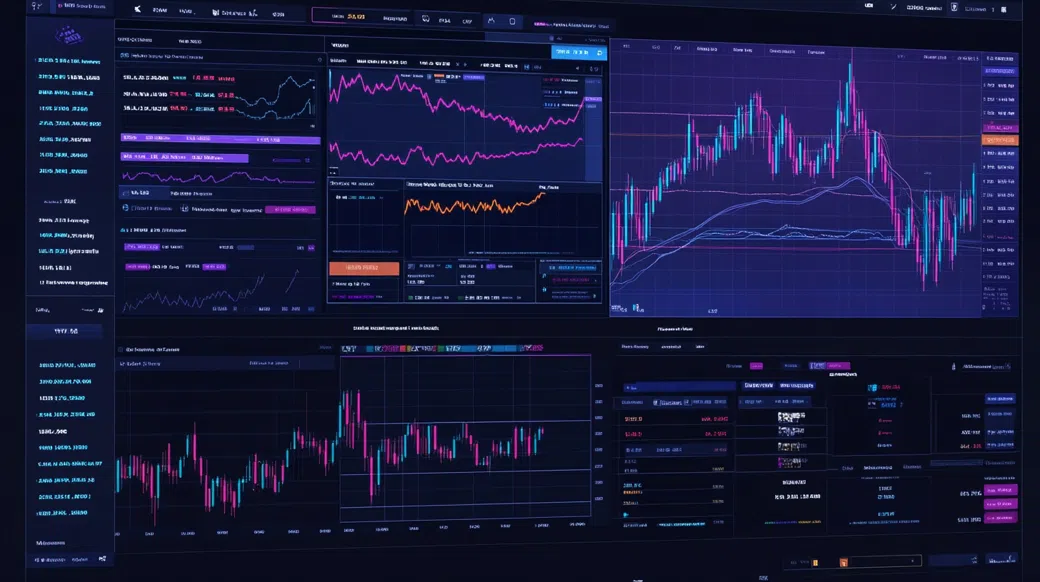
From the desktop browser, the WebTrader held up well across an Asia-to-London handover: I stayed logged in, quotes refreshed cleanly, and the trade ticket showed margin impact before I clicked confirm. Order controls cover the basics—market, limit, stop, and stop-loss/take-profit attachments—without trying to imitate the depth of the MT4/MT5 plugin universe. Execution on a small US500 position around the New York open was consistent with what I’d expect from a retail CFD venue, with a touch of slippage when spreads widened.
The Beacon Kapithold app mirrors the web layout closely, and the Beacon Kapithold login process supported biometric unlock on my device after initial setup. Real-time quotes, watchlists, and one-tap position close are all there, and I could initiate deposits and withdrawals from the same menu without hunting through settings. Push notifications were useful for filled orders and margin alerts, though chart space is naturally cramped and you’ll want to keep indicators minimal on smaller screens.
Charting is serviceable: multiple timeframes, common indicators (RSI, MACD, moving averages, Bollinger Bands), plus basic drawing tools for levels and trendlines. An economic calendar and integrated news feed help with “what just moved the market?” moments, but deep quant tooling isn’t the aim here. If your workflow depends on custom scripts, third-party signal marketplaces, or advanced strategy testing, you’ll feel the ceiling versus MT5 or cTrader environments.
After entering email, phone, and a few suitability prompts, the portal immediately pushed me toward identity verification—less “browse first, verify later” than some rivals. KYC required a government-issued photo ID and a proof-of-address document dated within three months, and my verification cleared the same business day. That tighter onboarding is a plus if you want withdrawals to run smoothly later, but it also means you should set aside ten minutes and have documents ready.
One practical note: base currency choices are geared toward global clients, but multi-currency funding can add conversion friction if your bank account is in AUD or SGD. I also noticed the platform encourages completing KYC early rather than waiting until the first Beacon Kapithold withdrawal request—sensible from an AML standpoint, and it reduced back-and-forth later.
To pressure-test service, I asked live chat a specific question about weekend financing on crypto CFDs and how it’s applied across Friday-to-Monday. A human agent picked up in about three minutes and pointed me to the instrument details panel where the swap/financing schedule is displayed, then followed up with a short explanation of triple-charge conventions. I also sent an email about card withdrawal timing after KYC; the ticket reply landed in roughly eight hours with method-by-method ranges and a reminder to ensure name matching for AML.
Support coverage runs on a 24/5 rhythm, which fits the CFD week but leaves a thinner bench on weekends—noticeable if you trade crypto on Saturdays. Language support is adequate for international clients, though nuance can vary by agent, and phone assistance appears limited depending on region. Against peers in the offshore brokerage landscape, the help desk felt competent and process-driven rather than sales-led.
If you’re considering this broker, start by checking regional eligibility, then use the demo to map spreads and margin behaviour around the sessions you actually trade. Once that’s clear, a small live deposit can validate funding and withdrawal rails before you scale position size.
Visit Beacon KapitholdYes, it can work for beginners who want a clean WebTrader and a demo account to learn order placement and margin basics. The trade ticket is readable and the platform doesn’t feel cluttered. That said, beginners should keep leverage low even if 1:500 is available, because small moves can trigger outsized P&L swings.
Yes, crypto trading is available via crypto CFDs such as BTC/USD and ETH pairs. You’re speculating on price movement rather than taking custody of coins on-chain. Because spreads and financing can widen on weekends, position sizing matters more than most traders expect.
No, my Beacon Kapithold scam check didn’t uncover the usual failure points: I could verify identity, trade, and withdraw funds. The more relevant question is “is Beacon Kapithold legit under a strict Tier-1 regulatory lens?”—it operates via an offshore registration model, so protections differ from ASIC/FCA-style regimes. Treat it as a higher-risk counterparty and use disciplined risk management.
No, Beacon Kapithold is not offered to USA residents. During signup, location and KYC screening are used to enforce eligibility. If you’re in a restricted jurisdiction, the platform typically won’t let you complete onboarding.
A Beacon Kapithold withdrawal was processed internally within 24–48 hours after my account was verified. Receipt time then depends on the rail: cards generally took 2–5 business days, bank wires 3–7 business days, while crypto transfers can arrive the same day. Delays are more likely if KYC details don’t match your funding method.
The Beacon Kapithold minimum deposit is $200. That’s enough to test execution, spreads, and platform workflow without taking oversized risk. If you’re new to CFDs, keeping initial capital small is a feature, not a limitation.
Yes, the broker provides mobile apps for iOS and Android, and they cover trading plus account functions like deposits and withdrawals. Watchlists and real-time quotes synced smoothly in my testing. For traders who manage risk on the move, app-based alerts and quick position close are genuinely useful.
Overall Score: 4.0/5
From a Sydney strategist’s lens, the appeal here is practical: $200 gets you into a multi-asset CFD toolkit, and the Raw/ECN-style pricing can make sense if you’re turning over positions regularly. Beacon Kapithold also handled the unglamorous parts—KYC, platform stability, and a clean withdrawal—without theatrics, which matters more than flashy marketing. The compromise is structural: offshore oversight and high leverage mean you must treat risk controls as non-negotiable. If you proceed, keep position sizes small and remember CFDs are leveraged products where capital is at risk. More details at Beacon Kapithold.
Best for: active CFD traders who want a simple WebTrader, flexible funding rails, and optional commission pricing. Avoid if: you require Tier-1 regulation, investor compensation schemes, or long-horizon investing features.