Cairn Marktberg Review 2026: Is It Safe & Worth Your Money?
In-depth Cairn Marktberg review updated for 2026. We tested spreads, key features, supported countries, and safety. Read our full verdict.

In-depth Cairn Marktberg review updated for 2026. We tested spreads, key features, supported countries, and safety. Read our full verdict.
| Min Deposit | $200 |
| Max Leverage | 1:500 |
| Assets | Forex, Indices, Commodities, Crypto CFDs, Share CFDs |
| Platforms | WebTrader (desktop/browser), iOS app, Android app |
Built as a multi-asset CFD venue, Cairn Marktberg suits traders who want broad market access from a WebTrader stack—at the cost of operating under an offshore framework and higher leverage. In my account test on Cairn Marktberg, I found two clear pricing lanes: a spread-only Standard tier and a tighter Raw-style option designed for frequent turnover. The instrument list leans practical (majors, big indices, metals, and the headline cryptos) rather than niche. Execution felt responsive around the Asia–London handover, but the education layer is light, so you’re expected to bring your own process.
Cairn Marktberg appears to be an operational broker rather than a pure “Cairn Marktberg scam” storefront, but it sits in the offshore category where protections are typically lighter than ASIC/FCA-style regimes. In other words: tradable, functional, yet not the same safety net you’d expect from a Tier-1 regulated house.
From a compliance lens, the provider presented itself as registered through the Seychelles FSA, which usually translates to faster onboarding and higher leverage, but weaker investor compensation schemes and fewer escalation paths if something goes pear-shaped. I looked for the classic red flags—pushy “account manager” tactics, flashy unverifiable awards, and withdrawal friction—and didn’t run into the hard-sell routine during my test window. The service did enforce KYC (photo ID plus proof of address) before I could complete a withdrawal, and its legal pages referenced segregated client funds language, which is a positive signal even if enforcement standards vary offshore. Still, CFDs are leveraged instruments; margin calls can happen quickly, and most retail accounts lose money trading CFDs—so position sizing matters more than any marketing promise.
This broker broadly accepts clients across parts of Asia-Pacific, MENA, and Latin America, while excluding the USA and sanctioned jurisdictions. Eligibility is ultimately determined at signup and during verification.
| Region | Status | Leverage Cap |
|---|---|---|
| Southeast Asia | Accepted | Up to 1:500 |
| Middle East & North Africa (MENA) | Accepted | Up to 1:500 |
| Latin America | Accepted | Up to 1:500 |
| Non-EU Europe | Accepted | Up to 1:200 |
| USA | Restricted | Not offered |
| Sanctioned jurisdictions | Restricted | Not offered |
In practice, the platform checks residency during KYC (document country and address) and may also apply IP-based screening during registration. If you’re moving countries or funding from a different jurisdiction, expect additional AML questions and possible eligibility changes.
Instead of trying to be everything to everyone, this service focuses on the “hedgeable core” most CFD traders rotate through: liquid FX pairs, major indices, and the big commodities, with crypto and share CFDs as satellites.
All exposure here is via CFD contracts, so you’re trading price movement rather than taking delivery of assets. That means no shareholder voting rights, no on-chain withdrawals for crypto, and dividends (where applied) are handled as broker adjustments rather than direct corporate actions.
Cairn Marktberg fees are built around two levers: a Standard account where costs are embedded in the spread, and a Raw/ECN-style tier where spreads tighten and you pay a per-lot commission. On my test account, the Raw lane made more sense for frequent trades, while Standard was easier to “set and forget.” Overall pricing sits in the middle of the offshore CFD pack.
| Asset | Spread/Fee | Market Average Comparison |
|---|---|---|
| EUR/USD (Standard) | From 1.6 pips | In line |
| EUR/USD (Raw/ECN) | From 0.2 pips + $7 round-turn/lot | Competitive for active traders |
| Bitcoin (BTC/USD) | From $35 | In line |
| Gold (XAU/USD) | From $0.25 | Slightly better than average |
| US500 Index | From 0.8 points | In line |
Beyond the headline spread, the long-run drag often comes from financing and admin costs, especially if you hold positions for days rather than minutes. Overnight swap/financing applied on leveraged CFDs (and crypto typically carries weekend financing that can feel chunky when volatility spikes). The broker also applies a $10 monthly inactivity fee after 90 days without trading activity, which matters if you’re the “wait for the fat pitch” type. Finally, watch the quiet costs: currency conversion when funding in a non-USD base, and method-specific withdrawal charges that can show up on the banking side rather than the trading ledger.
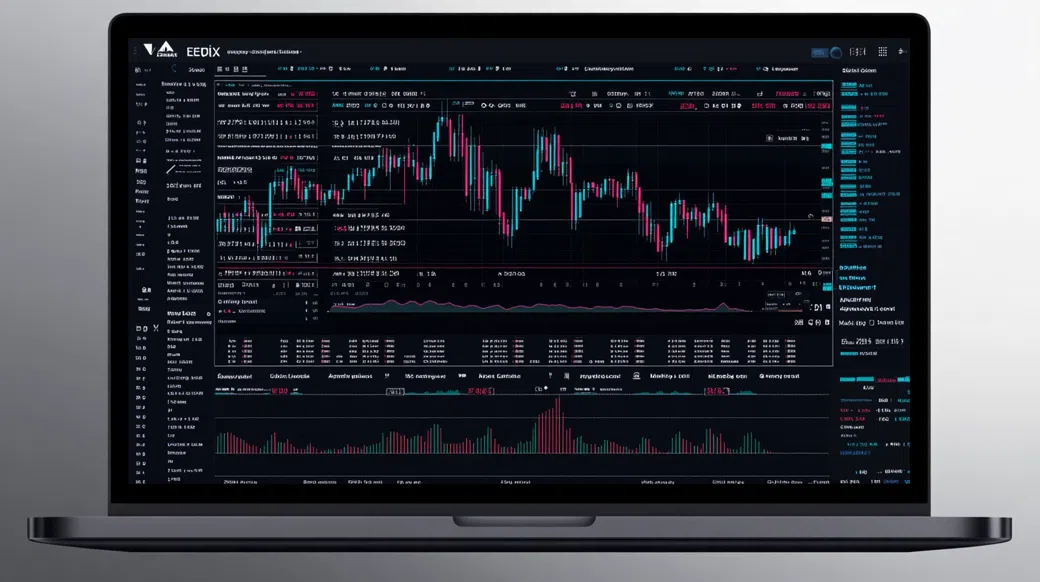
WebTrader is the centre of gravity: browser-based, quick to load, and stable across multiple sessions on my end, including an extended run during the London open. Orders supported the essentials—market, limit, stop, plus attached stop-loss/take-profit—and the ticket showed margin impact clearly enough for risk management. If you’re coming from the MT4/MT5 universe, the gap is less about placing trades and more about the ecosystem: fewer plug-ins, fewer third-party scripts, and less community tooling.
The Cairn Marktberg app mirrored the WebTrader layout closely, which made the Cairn Marktberg login flow feel consistent across devices (email/password plus optional biometrics on my handset). Quotes updated smoothly, and I could open/close positions, edit stops, and review margin levels without hunting through menus. Deposits and withdrawals were accessible in-app, and push notifications for fills helped when I stepped away from the desk. One mobile quirk: chart drawing tools were serviceable, but fine-grained placement is fiddly on smaller screens.
Charting covers the workhorse indicators—MA, RSI, MACD, Bollinger—plus basic drawing and multi-timeframe switching. There’s an economic calendar and a light news feed, useful for knowing when CPI or central bank decisions are about to hit liquidity. The ceiling shows up if you rely on deep analytics or automation; dedicated MT5/cTrader environments still win for strategy testing, advanced alerts, and third-party research integrations.
My signup started with the usual account profile fields (email, phone, residence) and a short suitability-style questionnaire, then moved straight into identity checks. KYC required a government-issued photo ID and a proof of address dated within three months; verification cleared later the same business day after a quick selfie step. That’s broadly what I’d expect under modern AML rules for an offshore CFD shop.
Funding by card posted to balance quickly, with an on-screen confirmation and an email receipt. Base currency selection matters—if you’re earning in AUD or SGD and funding a USD account, conversion can become a silent fee line over time, the kind that chips away at compounding without you noticing.
Support was tested with two very practical questions: how swap is calculated on index CFDs, and what the internal timeline is for cashing out after KYC. Live chat connected in about three minutes and the agent pointed me to the swap-rate panel inside the platform plus a written explanation of triple-swap timing. I also sent an email asking whether card withdrawals return to the original funding source; the ticket reply landed roughly nine hours later with a clear “same-rail” policy summary.
Coverage ran on a 24/5 schedule, which suits FX and index traders but leaves the weekend crypto crowd leaning on self-service pages. Language availability looked region-dependent, and I didn’t see a universally staffed phone desk advertised for every country. That’s not unusual in this segment, but if you value voice escalation, it’s something to weigh before sizing up.
If you’re considering opening an account, start by checking real-time spreads on your preferred instruments and confirming your country eligibility before funding. A demo run is worthwhile to see how margin, stops, and order handling behave during your local session.
Visit Cairn MarktbergIt can be, provided you treat it as a learning platform and keep leverage modest. The WebTrader is not overly complex and the $10,000 demo helps. Beginners should be cautious with 1:500 leverage and focus on risk controls like stop-losses.
Yes, crypto CFDs are available, including BTC/USD and ETH-based pairs. You’re trading a derivative contract rather than buying coins on-chain, so there’s no wallet withdrawal. Expect wider spreads and weekend financing effects versus major FX pairs.
No, my testing didn’t show the typical scam markers (blocked withdrawals, aggressive pressure, or fake “award” theatrics), and the platform processed a verified withdrawal flow. The key nuance is that it operates under an offshore model (Seychelles FSA), which generally offers fewer formal protections than Tier-1 regulators. Treat it as higher-risk from a legal-safeguards standpoint, even if day-to-day operations are functional.
No, the USA is restricted and accounts are not offered to US residents. This is common for offshore CFD brokers due to US regulatory requirements. If you’re a US citizen living abroad, eligibility still depends on residency/KYC.
A Cairn Marktberg withdrawal typically takes 24–48 hours for internal processing once KYC is approved. After that, delivery depends on the rail: cards often land in 2–5 business days, bank wires in 3–7 business days, and crypto transfers can arrive the same day. Delays are most common when documents need re-submission or funding/withdrawal names don’t match.
The Cairn Marktberg minimum deposit is $200 in my 2026 test on the Standard account. Funding methods include cards, bank wire, e-wallets, and selected crypto. If you deposit in a currency other than your account base, factor in conversion costs.
Yes, it offers mobile trading on iOS and Android. The app supports position management, deposits/withdrawals, and price alerts alongside charting and watchlists. It’s best for monitoring and execution on the move, while deeper analysis is easier on desktop.
Overall Score: 4.0/5
For traders who value breadth and flexibility over jurisdictional comfort, Cairn Marktberg delivers a credible CFD toolkit: usable WebTrader, a sharp enough Raw tier for active flow, and a market list that covers the usual macro battlegrounds. My deposit and subsequent cash-out request followed a sensible KYC sequence, and support gave practical answers on swap mechanics. The decision hinge is regulatory posture—offshore registration isn’t inherently sinister, but it does change your safety calculus. If you proceed, size positions conservatively; CFDs and leverage can magnify losses quickly. For more details, see Cairn Marktberg.
Best for: active CFD traders who want WebTrader simplicity and Raw-style pricing. Avoid if: you require Tier-1 regulation, deep research tools, or low-leverage rules by design.