Cygne Investoire Review 2026: Is It Safe & Worth Your Money?
In-depth Cygne Investoire review updated for 2026. We tested spreads, key features, supported countries, and safety. Read our full verdict.

In-depth Cygne Investoire review updated for 2026. We tested spreads, key features, supported countries, and safety. Read our full verdict.
| Min Deposit | $200 |
| Max Leverage | 1:500 |
| Assets | Forex, Indices, Commodities, Crypto CFDs, Share CFDs |
| Platforms | Proprietary WebTrader, iOS app, Android app |
Built as an offshore-style CFD venue, Cygne Investoire suits traders who want a multi-asset watchlist and higher leverage in exchange for lighter investor protections. Across the two main pricing tiers, I found the Standard account more “all-in” for casual positioning, while the Raw/ECN-style tier is clearly aimed at frequent execution. Market coverage is broad enough for index investors who hedge tactically—think US500 and gold alongside majors—without pretending to be a full-stockbroker. The platform stack is its own WebTrader plus mobile, with a clean workflow from funding to order tickets; the chief compromise is that dispute escalation and safeguards are not on the same footing as top-tier regulated brokers. If you want to sanity-check the experience yourself, start from the Cygne Investoire dashboard and run a demo first.
Cygne Investoire looked operational and tradeable in my 2026 checks, not a “disappearing broker” setup. That said, it sits under an offshore regulatory model, so the safety profile is more about process and conduct than strong statutory protections.
The provider presents itself as registered with the Mauritius FSC, which typically allows higher leverage but doesn’t mirror the client-compensation frameworks you’d expect under ASIC or the FCA. In practice, that trade-off shows up in two places: margin terms are more generous (useful, but sharp-edged), and escalation routes for disputes are narrower if something goes wrong. My red-flag scan focused on the usual sore points—pushy “account managers,” flashy badges, and withdrawal friction. I didn’t encounter aggressive sales pressure, and the platform insisted on KYC before cash-out, which is consistent with basic AML expectations. The website language also referenced segregated client funds, though offshore wording is not the same as a legally tested protection regime. Finally, remember the product wrapper here is CFD trading: leverage can magnify losses quickly, and most retail accounts lose money when costs and volatility compound the wrong way.
This broker generally accepts clients across parts of Asia-Pacific, Latin America, and select non-EU European markets, with tighter checks applied during verification. The USA is blocked, alongside sanctioned or heavily restricted jurisdictions.
| Region | Status | Leverage Cap |
|---|---|---|
| Southeast Asia | Accepted | Up to 1:500 |
| Latin America | Accepted | Up to 1:500 |
| Middle East & North Africa (selected) | Accepted | Up to 1:500 |
| Europe (non-EU/EEA, selected) | Accepted | Up to 1:200 |
| USA | Restricted | Not offered |
| Sanctioned jurisdictions | Restricted | Not offered |
Eligibility is enforced through a mix of sign-up declarations, IP/location prompts, and document checks at KYC. Policies can shift as local rules tighten, so it’s worth confirming your country during onboarding rather than assuming last month’s availability still applies.
The lineup feels built for CFD traders who rotate risk: FX for short-term expression, indices for broad exposure, and metals/crypto for volatility and hedging. I didn’t see the platform trying to be everything at once; it’s a pragmatic multi-asset menu rather than a full investing supermarket.
All of this is derivative exposure via CFDs: you’re trading price movement, not acquiring shareholder rights or on-chain crypto. Dividends, where applicable, are typically handled through cash adjustments rather than true ownership.
Pricing is split between a spread-only Standard account and a Raw/ECN-style option that pairs near-zero spreads with a per-lot commission. On my screens, the sharper tier made the most sense for frequent execution, while Standard is easier to budget for. Relative to offshore CFD peers, the headline costs are competitive, but your real “bill” still depends on swaps and how often you trade.
| Asset | Spread/Fee | Market Average Comparison |
|---|---|---|
| EUR/USD (Standard) | From 1.6 pips | In line |
| EUR/USD (Raw/ECN) | From 0.2 pips + $7 round-turn/lot | Competitive |
| Bitcoin (BTC/USD) | From 0.35% | In line |
| Gold (XAU/USD) | From 25 cents | Slightly better |
| US500 Index | From 0.8 points | In line |
Non-spread costs matter more than most traders admit—especially if you’re trying to let compounding do the heavy lifting over months. Overnight swap/financing applies to leveraged CFD holds, and crypto positions can carry weekend financing that adds up quickly in choppy markets. After 90 days without activity, I noted an inactivity fee of $10 per month, which is small but annoying if you “park” an account. Funding in a non-USD base currency can also introduce conversion charges from your bank or card issuer, so match your deposit currency to your account where possible.
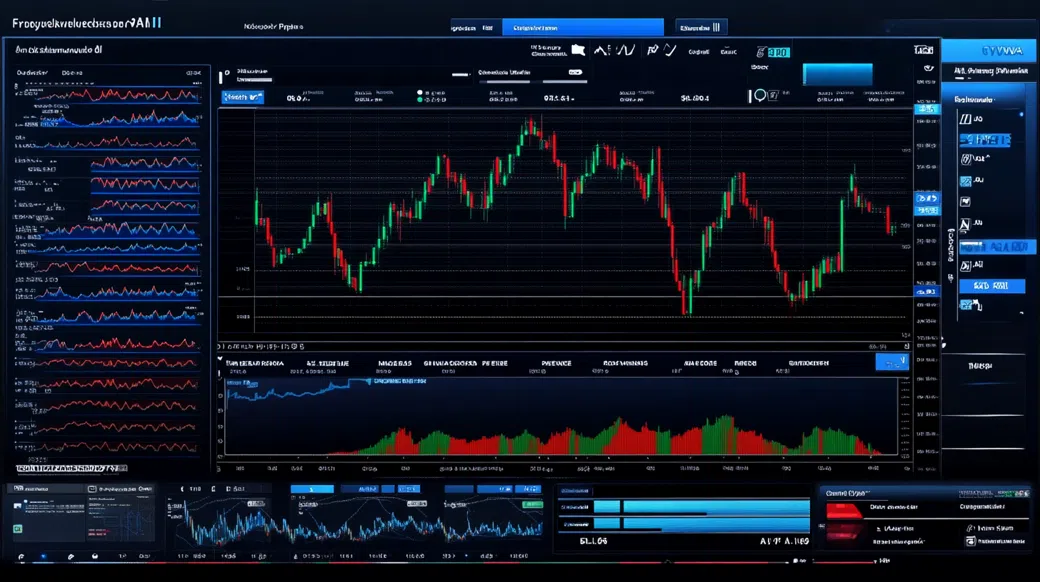
On desktop, the WebTrader held together well through multiple sessions, including a quick scalp around the London open on EUR/USD where fills were consistent with the displayed spread and I didn’t see requote pop-ups. Order tickets include the essentials—market/limit/stop, plus stop-loss and take-profit—while the overall ecosystem is naturally slimmer than an MT4/MT5 plugin universe. For traders who live on custom indicators and third-party automation, that gap is the main limitation; for discretionary execution, it’s adequate and tidy.
The Cygne Investoire app mirrors the WebTrader layout closely, which makes the learning curve gentler when you bounce between screens. Cygne Investoire login supported biometric unlock on my device, and price updates stayed responsive even when switching between watchlists. I also liked that deposits and withdrawals were accessible from the same menu as positions—no “hunt the button” design—though chart space is tight in portrait mode and you’ll want to pre-set favourites to avoid extra taps.
Charting covers the common toolkit: multi-timeframe views, drawing tools for levels and channels, and a standard indicator set (MA, RSI, MACD, Bollinger). An economic calendar and integrated news feed are present for situational awareness, but don’t expect institutional research or deep quant tooling. In other words, it’s a workable cockpit for self-directed traders, not a replacement for a dedicated analytics stack.
From the first screen, the sign-up flow kept to the basics—email, password, country, and a short suitability-style prompt—before steering me into identity checks. KYC required a government-issued photo ID plus proof of address (a bank statement or utility bill dated within three months), and my verification cleared the same business day. Deposit access was enabled right away, but withdrawal functions were gated until documents were approved, which is the sensible order of operations for AML.
For my test deposit I used a card payment, and the confirmation screen posted an on-platform receipt immediately with the updated margin figures visible on the account summary. If you’re the type who tracks performance in base-currency terms, set your account denomination thoughtfully at the start—changing later can be messy. Anyone wanting to compare conditions before committing can do that inside Cygne Investoire using the demo environment.
I pinged live chat with a practical question: how swaps are displayed and whether the Raw/ECN commission is charged per side or round-turn. A human agent replied in roughly three minutes with a clear explanation and pointed me to where the nightly financing appears on the instrument spec sheet. I followed up by email asking about withdrawal cut-off times; the ticket response landed later the same day, a shade under ten hours, with method-by-method timelines.
Support coverage ran on a 24/5 rhythm, which fits the FX week, while weekends were more limited outside of crypto trading hours. Language support felt region-dependent (English was fine), and I didn’t see a prominently advertised phone line—typical for this segment. The helpfulness was solid, but if you require guaranteed callback escalation, top-tier regulated brokers usually offer a more formal ladder.
If you’re considering this platform, the sensible move is to verify your country eligibility, open a demo, and watch real spreads during your usual trading window. That quick homework tells you far more than marketing claims—especially if you plan to hold leveraged CFDs overnight.
Visit Cygne InvestoireIt can be, provided you treat it as a CFD platform and start small. The WebTrader and mobile layouts are easy to navigate, but the education stack is fairly light, so beginners should lean on the demo and strict position sizing. High leverage (up to 1:500) is not a beginner feature—it’s a risk amplifier.
Yes, crypto is available via CFDs such as BTC/USD and ETH pairs. You’re speculating on price movement, not buying coins into a wallet, so there’s no on-chain transfer or staking. Weekend financing can be a meaningful cost if you hold positions through choppy periods.
No, it didn’t present as a scam in my 2026 usage: onboarding, KYC checks, and platform access behaved like a functioning broker. The key nuance is oversight—this is an offshore-registered service (Mauritius FSC), so protections and dispute channels are typically thinner than Tier-1 jurisdictions. As with any CFD provider, manage leverage and withdrawal hygiene carefully.
No, Cygne Investoire is not offered to USA residents. The platform restricts onboarding for the US, and eligibility is typically checked again at KYC. If you’re traveling, expect location and document checks to matter.
Most withdrawals are processed internally within 24–48 hours once KYC is approved. After that, the payment rail determines receipt time: cards commonly take 2–5 business days, wires 3–7 business days, and crypto can arrive the same day. Timing also depends on cut-off times and compliance checks.
The minimum deposit is $200. That’s enough to test execution and fees, but it’s not a license to use maximum leverage—margin can evaporate quickly in fast markets. If you’re new, consider the demo first and keep real position sizes modest.
Yes, there are iOS and Android apps alongside the WebTrader. You can monitor quotes, place orders, and manage deposits/withdrawals from the phone interface. For chart work, the app is best used for monitoring and execution, with deeper analysis done on a larger screen.
Overall Score: 4.0/5
For traders who think in portfolios—not just single bets—this platform offers a practical mix of indices, FX, and hedging staples with pricing tiers that reward activity. The WebTrader and mobile experience felt cohesive, and the Raw/ECN commission structure is easy to model when you’re tracking long-run expectancy. The caution flag is jurisdiction: offshore registration changes the safety calculus, so treat this as a trading tool, not a savings account. Used with disciplined sizing, Cygne Investoire can fit a tactical sleeve, but CFDs remain leveraged products and losses can exceed expectations if risk controls slip.
Best for: self-directed CFD traders who want multi-asset access and can model costs (spread, commission, swap). Avoid if: you require Tier-1 regulatory protections, extensive research/education, or you’re prone to overusing 1:500 leverage.