Fiel_Mercovia Review 2026: Is It Safe & Worth Your Money?
In-depth Fiel_Mercovia review updated for 2026. We tested spreads, key features, supported countries, and safety. Read our full verdict.

In-depth Fiel_Mercovia review updated for 2026. We tested spreads, key features, supported countries, and safety. Read our full verdict.
| Min Deposit | $200 |
| Max Leverage | 1:500 |
| Assets | Forex, Indices, Commodities, Crypto CFDs, Share CFDs |
| Platforms | WebTrader, iOS app, Android app |
Built for traders who want broad CFD exposure with high leverage, Fiel_Mercovia suits active speculators more than set-and-forget investors—the headline compromise is operating under an offshore framework rather than a Tier‑1 rulebook. Across my test account, the Standard vs Raw/ECN-style split was clear: the entry tier leans on wider all-in spreads, while the tighter tier shifts cost into commission. Market coverage skews practical (major FX, key indices, metals, large-cap crypto CFDs), and the in-browser terminal is functional enough for fast checks between meetings. The sharp edge: protections and dispute pathways are thinner offshore, so position sizing matters as much as platform features. For more detail, see Fiel_Mercovia.
Fiel_Mercovia looks operational and tradeable rather than a fly-by-night scam, based on account verification, order placement, and a completed withdrawal during my 2026 check. The caveat is that it sits under an offshore registration model, so “safe” depends more on your own risk controls than on an aggressive regulator safety net.
In my case, the broker presented registration details tied to the Mauritius FSC, which is a common setup for international CFD venues that want to service multiple regions with flexible leverage. Offshore status can be a double-edged sword: the upside is looser leverage caps (here up to 1:500), while the downside is a thinner compensation scheme and fewer escalation channels if a dispute turns messy. I ran a basic red-flag sweep—no odd “guaranteed profits” language on the client portal, no faux trophy cabinet of unverifiable awards, and no pushy sales calls after I paused mid-onboarding. KYC was enforced (ID plus proof of address), and the legal docs referenced segregated client funds, which is a baseline safeguard even if enforcement varies by jurisdiction. Remember: CFDs are leveraged products; margin calls can land quickly, and most retail traders lose money over time.
The platform primarily targets non‑US international clients across parts of Asia, MENA, and emerging markets, with access varying by local rules. The USA is not supported, and sanctioned jurisdictions are blocked.
| Region | Status | Leverage Cap |
|---|---|---|
| Southeast Asia | Accepted | Up to 1:500 |
| MENA (select countries) | Accepted | Up to 1:500 |
| Latin America | Accepted | Up to 1:500 |
| Non‑EU Europe (select countries) | Accepted | Up to 1:200 |
| USA | Restricted | Not offered |
| Sanctioned jurisdictions | Restricted | Not offered |
Eligibility isn’t just a checkbox—IP checks and KYC residency documents can override what the marketing page implies. Expect rules to shift if local regulators tighten CFD distribution or if the provider updates its risk policy.
Range matters more than novelty, and this service builds its list around liquid contracts you can actually hedge with—think macro indices, core FX, and metals rather than a long tail of obscure tickers. The result is a “multi-asset, FX-led” lineup that fits short-term speculation and tactical hedging.
All of the above are CFDs, meaning you’re trading price movements rather than owning the underlying asset. That also means no shareholder voting rights, and crypto positions aren’t on-chain holdings you can transfer to a wallet.
Pricing is built around two lanes: a Standard account that bakes costs into the spread, and a Raw/ECN-style option that pares spreads down and adds a commission. On my screen, the all-in cost landed broadly in line with offshore CFD peers, with the tight account looking meaningfully better for frequent FX trading.
| Asset | Spread/Fee | Market Average Comparison |
|---|---|---|
| EUR/USD (Standard) | From 1.6 pips | Slightly higher than best-in-class; typical for offshore Standard |
| EUR/USD (Raw/ECN) | From 0.2 pips + $7 round-turn/lot | Competitive for active traders if volume is consistent |
| Bitcoin (BTC/USD) | From $30 | In the usual range; can widen sharply in fast markets |
| Gold (XAU/USD) | From $0.35 | Middle of the pack; watch spreads around data releases |
| US500 Index | From 0.8 points | Comparable to many CFD venues offering similar leverage |
Non-spread costs that matter: Holding positions past rollover introduces swap/overnight fees, and those charges can outweigh a tight entry spread if you keep trades open for weeks. The broker’s inactivity fee is $10 per month after 90 days without trading, which makes “park it and forget it” an expensive habit. Also factor in currency conversion if you deposit in a different base currency, and remember weekend financing is a real drag on crypto CFDs. In my withdrawal flow, the platform didn’t add a separate processing line item, but your bank or card issuer still can.
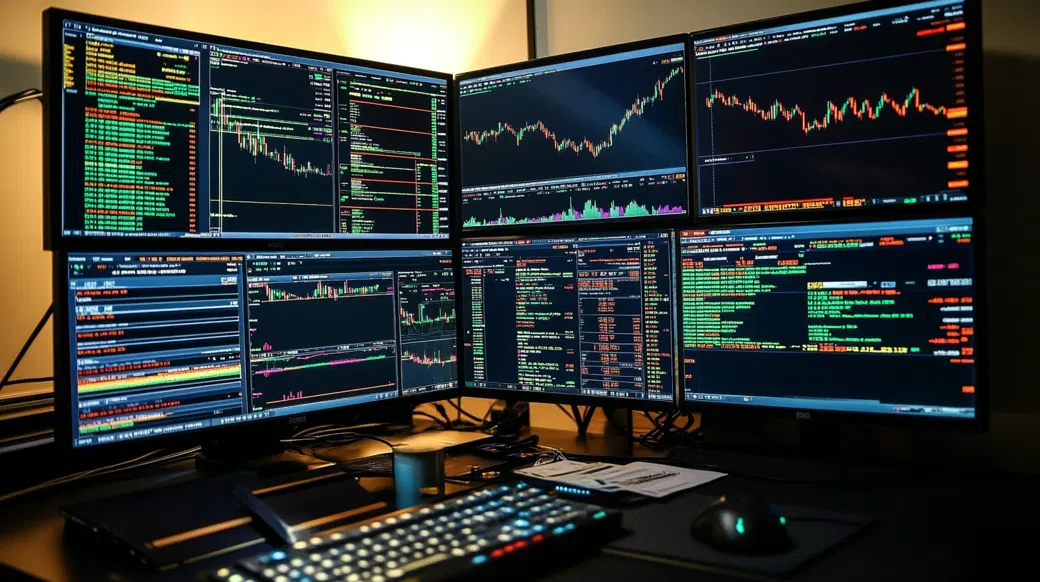
From a Sydney desk, I ran the WebTrader through the Asia session and into the London handover; the platform stayed steady with no forced logouts, and watchlists synced cleanly after refresh. Order entry includes market, limit, and stop, plus take-profit/stop-loss fields that can be attached at placement—handy when you’re trading indices into news. If you’re coming from MT4/MT5, you’ll notice the ecosystem gap (custom indicators and community scripts aren’t the point here), but the core workflow is serviceable for discretionary trading.
The Fiel_Mercovia app mirrors the WebTrader layout closely, so the learning curve is mild once you’ve done a couple of tickets on desktop. Fiel_Mercovia login supported biometric unlock on my device, and I could manage open positions, adjust stops, and fund the account without bouncing to a browser. Push alerts were available for price levels and order events, although chart real estate is predictably tight—fine for monitoring, less ideal for deep technical work.
Charting covers the staples: multiple timeframes, common indicators (RSI, MACD, moving averages, Bollinger Bands), and basic drawing tools. There’s an economic calendar and a rolling news feed, which is enough for “what’s moving today?” context, but not a substitute for a full research suite or a dedicated platform like cTrader/MT5 with advanced analytics. Alerts and favourites are useful, particularly if you rotate between FX and indices as volatility shifts.
Before I could place real-money trades, the provider pushed me through a short registration form (email, phone, country, and a suitability-style prompt) and then into identity checks. KYC required a government-issued photo ID plus a proof of address dated within three months; my verification cleared the same business day after upload. The client portal was built around a single dashboard—balance, margin, and funding—so there wasn’t much hunting for settings.
For anyone searching the Fiel_Mercovia minimum deposit, it’s effectively a $200 hurdle to get going with live execution. One practical note: denomination options can affect your conversion costs, so I’d match your funding currency to your base account if possible. When I deposited by card, the confirmation screen showed the updated margin figures instantly, which made it easy to sanity-check leverage exposure.
I tested support with a specific query: how swap rates are displayed and whether weekend financing differs for BTC CFDs. Live chat came back in roughly three minutes with a clear pointer to the instrument details panel and a reminder that triple-swap timing depends on the product; the follow-up email ticket arrived about eight hours later with a more complete explanation. The tone was functional—less salesy, more “here’s where to find it.”
Coverage runs on a 24/5 rhythm, which lines up with FX and index trading but still leaves a weekend gap if your issue is account-related. Language support felt region-dependent, and I didn’t see a consistently advertised phone desk—typical for offshore brokers that prioritise chat. If you trade crypto CFDs, it’s worth bookmarking the help centre because markets run while staffing often doesn’t.
If you’re considering an offshore CFD venue, start by stress-testing the platform: open a demo, check live spreads during the London–New York overlap, and confirm funding/withdrawal rails for your country. Keep leverage modest until you’ve seen how margin behaves in fast tape.
Visit Fiel_MercoviaIt can be, but only if you treat leverage with respect and lean on the demo first. The interface is not overly complex, yet the education stack is fairly light compared with top-tier beginner brokers. Because CFDs amplify wins and losses, new traders should start small and focus on risk limits.
Yes, crypto is available as CFDs, including large names like BTC and ETH. You’re trading price exposure rather than owning coins on-chain, so there’s no wallet transfer. Watch weekend spreads and financing, which can materially change the cost of holding.
No, it didn’t present as a scam in my 2026 check: KYC was enforced, trading worked as expected, and I was able to withdraw. That said, it operates under an offshore registration model (Mauritius FSC), so consumer protections are not the same as with FCA/ASIC-regulated firms. Use prudent sizing and avoid treating high leverage as “free money.”
No, Fiel_Mercovia is not available to US residents. The platform blocks USA sign-ups and does not offer leverage terms there. If you’re in the US, you’ll need a CFTC/NFA-compliant venue instead.
Most withdrawals are processed internally within 24–48 hours once your KYC is complete. After that, receipt depends on the rail: cards commonly take 2–5 business days, bank wires 3–7 business days, and crypto is often same-day. My test card withdrawal landed on day three end-to-end.
The Fiel_Mercovia minimum deposit is $200 for a live account. You can still evaluate spreads and platform tools using the demo balance first. If you fund via card or crypto, the account value updates immediately in the portal in my experience.
Yes, there are iOS and Android apps, and they cover trading plus account management. You can monitor margin, adjust stops/limits, and handle deposits/withdrawals from the handset. For detailed chart work, the WebTrader still feels roomier.
Overall Score: 4.0/5
Leverage and a usable pricing ladder are the main reasons traders keep an offshore CFD account in the toolkit, and Fiel_Mercovia largely delivers on those basics without trying to distract you with gimmicks. Execution on majors and indices felt consistent enough for discretionary trading, and my card withdrawal completed inside the expected window. Still, offshore oversight isn’t the same as an ASIC-style safety net, so I’d treat this as a tactical trading venue rather than the home for long-term capital. CFDs are high-risk instruments; compounding works best when you’re still in the game tomorrow. Read the full Fiel_Mercovia breakdown above before committing meaningful size.
Best for: active CFD traders who want flexible leverage and a WebTrader/mobile stack. Avoid if: you require Tier‑1 regulation, deep research, or you’re prone to over-leveraging.