Pluris AI Trading Platform Alternatives 2026
Pluris AI alternatives for 2026: compare regulated brokers, costs, platforms, and safety checks. A practical guide for US/EU traders switching.

Pluris AI alternatives for 2026: compare regulated brokers, costs, platforms, and safety checks. A practical guide for US/EU traders switching.
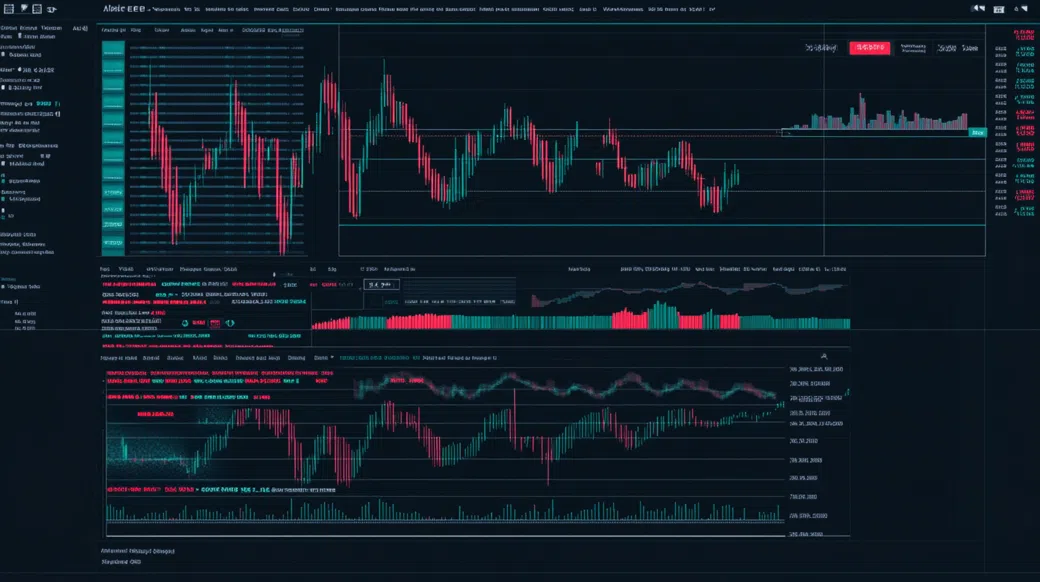
Speed is seductive in markets. A slick WebTrader, a handful of CFD instruments, and headline leverage can make trading feel frictionless—right up until the first serious withdrawal request, platform limitation, or compliance question. Pluris AI sits in that familiar retail CFD lane: a proprietary browser platform plus mobile app, a focus on forex and index/commodity CFDs, and (based on what’s commonly observed in offshore setups) account terms that can run as high as 1:500 leverage with a minimum deposit around $250 and EUR/USD spreads often starting near 2.0 pips.
For many US and EU readers, the practical issue isn’t whether you can place trades—it’s whether the overall framework supports long-run compounding. That’s where Pluris AI alternatives come in. Regulated brokers tend to offer clearer client-money rules (segregated funds), more predictable dispute pathways, and platform stacks that suit repeatable processes—think MT4/MT5/cTrader for systematic traders, or proper multi-asset access for investors who want to build an index-heavy core and trade tactically around it.
Disclaimer: This article is for informational purposes only and does not constitute investment advice. CFDs and other leveraged products carry a high risk of loss and are not suitable for all investors.
Across the retail CFD world, the Pluris AI setup looks geared toward short-to-medium-term traders rather than long-horizon investors: forex and CFDs sit at the centre, with indices and commodities typically included and crypto CFDs often present. The regulatory footprint is best understood as offshore/unregulated; for this category, a common structure is registration under the Seychelles FSA rather than top-tier authorities such as the FCA (UK), ASIC (Australia), or the NFA (US). That matters because the rulebook around leverage, marketing, and client protections can differ materially from what US/EU traders expect.
On the tooling side, the experience generally revolves around a proprietary WebTrader and matching iOS/Android app. Charting is usually serviceable for discretionary trading—multiple timeframes, a standard indicator list, drawing tools, and click-to-trade from the chart—without the depth you’d associate with institutional-style analytics. Order tickets tend to cover the essentials (market, limit, stop), while more advanced conditional orders and strategy automation are typically limited compared with MT4/MT5 or cTrader. For traders comparing platforms like Pluris AI, the key question is whether your method relies on custom indicators, automated execution, or detailed reporting beyond basic P&L snapshots.
Fee structures in this offshore CFD segment often blend spread-only accounts with optional commission-style tiers. A reasonable working assumption for EUR/USD is a Standard-type spread around 2.0 pips, while “raw” pricing—if offered—usually shifts cost into commission (often in the ballpark of $5–$8 round-turn) with near-zero headline spreads. Swaps/overnight financing apply to CFD positions held past rollover, and they can become the dominant cost for anything held longer than a few days. Also watch for frictional charges (withdrawal processing fees or inactivity fees), which can turn a low-frequency strategy into a surprisingly expensive habit.
Regulation is the first domino for many traders: once you’re managing meaningful size, you want a supervisor with teeth and a clear client-money framework. That’s often the moment regulated options vs Pluris AI start to look less like “nice-to-have” and more like sensible infrastructure. Cost and tooling follow close behind—particularly if you’re trading frequently, running an EA, or trying to build an index-investing core alongside tactical CFD exposure. Leverage cuts both ways; higher caps can magnify errors just as efficiently as wins, so platform choice becomes part of risk budgeting, not a cosmetic preference.
Start with fit-to-purpose. A scalper cares about latency and spread/commission; a portfolio builder cares about market access, custody structure, and low friction on recurring deposits. Once that “use case” is clear, compare brokers on protections, trading costs, and platform capability—then only at the end worry about marketing features like extreme leverage or gimmicky signals.
For US/EU readers, regulators are not a box-tick; they’re the plumbing. FCA oversight in the UK can link to FSCS coverage up to £85,000 for eligible clients, while CySEC oversight in Cyprus may connect to ICF coverage up to €20,000 (eligibility rules apply). ASIC is strong on conduct and supervision, even though compensation structures differ. Look for segregated client funds, negative balance protection where applicable, and a broker entity that matches your jurisdiction—not just a global brand name.
Map the instrument list to your actual plan. If you’re building wealth, real stocks and ETFs matter because you’re not paying daily financing and you retain investor rights. If you’re hedging, index CFDs can be efficient. Options and futures are a different skill set again—useful, but only if you can handle margining and contract specs. Brokers similar to Pluris AI often cluster around FX and CFDs; multi-asset firms expand the toolkit for long-run portfolio construction.
Compare on round-turn cost of trade: spread + commission, then add expected swaps if you hold positions overnight. A 2.0 pip EUR/USD spread can be perfectly workable for a swing trader, yet punishing for a high-frequency approach where cost compounds against you every week. Don’t ignore non-trading fees either—conversion charges, inactivity fees, and withdrawal fees can quietly dominate if you trade infrequently or move money often.
Platform choice is strategy choice. MT4/MT5 remain common for EAs and indicator ecosystems; cTrader is popular with execution-focused FX traders; proprietary platforms can be excellent but vary widely. Execution model matters: market maker pricing can be fine for many retail flows, while STP/ECN/DMA-style routing is typically preferred by traders who are sensitive to slippage and fill quality. If you’re currently on Pluris AI, test any new broker in demo and in small live size to see how spreads behave around volatility spikes.
Support is a risk-control feature when money is moving. Check whether live chat is staffed during your trading hours, whether the broker supports your language, and how quickly they resolve funding and platform tickets. Education quality varies: some firms offer structured courses, platform walkthroughs, and margin-risk modules; others just publish market commentary. Finally, ensure the mobile app matches the desktop experience—especially if you manage stops and margin while away from a trading screen.
In FX and index/commodity CFDs, Pluris AI likely covers the standard retail menu: roughly 30–50 forex pairs, 8–15 indices, and a small set of commodities. The trade-off is usually cost transparency and execution depth. With EUR/USD commonly around a 2.0 pip spread on a spread-only account, frequent traders can find the drag noticeable over a month of turnover—particularly once slippage during fast markets is added to the bill. Pepperstone and IC Markets, by contrast, are built for active FX/CFD flows: MT4/MT5/cTrader stacks, Raw-style pricing models, and account configurations aimed at systematic and short-term traders. Leverage might look similar on paper, but fill quality, reporting, and operational reliability tend to be where regulated brokers pull away.
Here’s the dividing line I see most often: “trade equities” can mean equity CFDs rather than owning shares. If Pluris AI offers stocks at all, it’s commonly in CFD form—useful for short-term directional views, but not ideal for building a long-term ETF portfolio because financing costs and product structure work against patient compounding. Interactive Brokers and Saxo Bank are the cleanest substitutes for investors who want genuine access to US and European exchanges, broad ETF line-ups, and the ability to hold positions without daily CFD funding charges. For a global audience, that difference—real assets versus derivatives exposure—often matters more than a few tenths of a pip on FX.
Crypto access in this segment is typically via CFDs: you’re trading price movement, not taking custody of coins on-chain. That can be fine for short-term risk, but it isn’t the same as holding crypto in a wallet, and it can come with wider spreads plus overnight financing. If your goal is regulated crypto price exposure within a broker account, IG and Plus500 are better-known venues for crypto CFDs in the regions where they’re permitted—while still sitting under top-tier regulatory umbrellas (entity and jurisdiction dependent). The practical homework is product classification: confirm whether you’re trading a CFD, an underlying asset, or an exchange-traded product, because tax treatment, fees, and risk controls can change accordingly.
Regulation: SEC/FINRA (US), FCA (UK), IIROC (Canada) (regional entity applies)
Markets: Stocks, ETFs, options, futures, bonds, FX
Fees: FX pricing is typically commission-based with tight effective spreads; stock/ETF commissions vary by market and plan
Platform: Trader Workstation (TWS), IBKR Desktop, web platform, mobile app, APIs
Best For: Long-term multi-asset investors building a global ETF core
Regulation: FCA (UK), ASIC (Australia), CySEC (Cyprus), DFSA (Dubai)
Markets: FX, index CFDs, commodity CFDs, crypto CFDs (where available), share CFDs
Fees: EUR/USD from ~0.0–0.3 pips on Razor-style accounts + commission; ~1.0+ pip typical on Standard
Platform: MT4, MT5, cTrader, TradingView integration (region-dependent)
Best For: Systematic FX traders using EAs and cTrader/MT5 tooling
Regulation: FCA (UK), ASIC (Australia), MAS (Singapore)
Markets: CFDs across FX, indices, commodities, shares; spread betting (UK/IE); some regions offer share dealing
Fees: Spread-based pricing on many CFD markets; FX spreads often from ~0.6 pips on major pairs (conditions vary)
Platform: IG Trading Platform (web/mobile), MT4 (in supported regions)
Best For: Macro traders focused on indices and event-driven hedging
Regulation: FCA (UK), MAS (Singapore), DFSA (Dubai) (entity depends on residency)
Markets: Stocks, ETFs, bonds, options, futures, FX, CFDs
Fees: Tiered pricing by client segment; FX spreads generally tighten with higher tiers; commissions apply on exchange-traded products
Platform: SaxoTraderGO, SaxoTraderPRO
Best For: Cross-asset portfolio builders who want research plus broad market access
Regulation: ASIC (Australia), CySEC (Cyprus), FSA Seychelles (group-level entity options)
Markets: FX, index CFDs, commodity CFDs, crypto CFDs (where available), share CFDs
Fees: Raw-style EUR/USD often ~0.0–0.3 pips + commission; Standard accounts typically ~1.0+ pip
Platform: MT4, MT5, cTrader
Best For: High-frequency traders who measure performance net of slippage
Regulation: FCA (UK), CySEC (Cyprus), FSC Bulgaria
Markets: Stocks and ETFs (investing account), CFDs (where offered)
Fees: Investing accounts often emphasise low explicit commissions; CFD costs are spread-based plus overnight financing
Platform: Proprietary web platform and mobile app
Best For: Beginners prioritising a simple stocks/ETFs interface alongside light CFD use
| Platform | Regulation | Main Markets | Typical Costs | Best For |
|---|---|---|---|---|
| Interactive Brokers (IBKR) | SEC/FINRA, FCA, IIROC | Stocks/ETFs, options, futures, bonds, FX | Commission-led; tight FX pricing; exchange fees/commissions vary | Long-term multi-asset investors building a global ETF core |
| Pepperstone | FCA, ASIC, CySEC, DFSA | FX + CFD suite (indices/commodities/crypto/share CFDs) | Raw ~0.0–0.3 pips + commission; Standard ~1.0+ pip | Systematic FX traders using EAs and cTrader/MT5 tooling |
| IG | FCA, ASIC, MAS | CFDs across FX/indices/commodities/shares | Often spread-based; majors can start ~0.6 pips (varies) | Macro traders focused on indices and event-driven hedging |
| Saxo Bank | FCA, MAS, DFSA | True multi-asset: equities/ETFs, options/futures, FX/CFDs | Tiered; commissions on exchanges; FX spreads vary by tier | Cross-asset portfolio builders who want research plus broad market access |
| IC Markets | ASIC, CySEC, FSA Seychelles | FX + CFDs (indices/commodities/crypto/share CFDs) | Raw ~0.0–0.3 pips + commission; Standard ~1.0+ pip | High-frequency traders who measure performance net of slippage |
| Trading 212 | FCA, CySEC, FSC Bulgaria | Stocks/ETFs (investing), CFDs (where offered) | Investing: low explicit commissions; CFDs: spread + overnight fees | Beginners prioritising a simple stocks/ETFs interface alongside light CFD use |
Switching brokers is less about paperwork and more about controlling operational risk: you want continuity of access to markets, clean records, and no surprises with cash movement. Treat the process like a staged rollout—verify first, fund small, then scale—because leverage and margin can turn a “minor” platform hiccup into a forced closeout at the worst possible time.
If you’re benchmarking brokers, it can be useful to re-check Pluris AI’s current onboarding flow, instrument list, and account terms in your region—then compare like-for-like against the regulated platforms above. Make sure you’re comparing the same product type (CFD vs underlying), the same currency conversion costs, and the same leverage rules.
Visit Pluris AIThe best option depends on whether you’re trading CFDs tactically or building a long-term portfolio. For real stocks/ETFs and broad global market access, Interactive Brokers or Saxo Bank are strong Pluris AI alternatives; for active FX/CFD trading with MT4/MT5/cTrader, Pepperstone and IC Markets are commonly shortlisted. If simplicity is the priority, Trading 212 can suit basic investing workflows (availability varies by country).
Pluris AI appears to operate in an offshore/unregulated framework (commonly associated with jurisdictions such as Seychelles), which generally offers fewer formal protections than FCA/ASIC/CySEC/NFA-regulated brokers. That doesn’t automatically make it unusable, but it does change the risk profile around client-money rules, dispute resolution, and oversight. If safety is your main constraint, regulated options vs Pluris AI are usually the more conservative route.
With brokers in this category, stocks and crypto—if offered—are typically provided as CFDs rather than ownership of the underlying asset, while exchange-traded futures are often not part of the core offering. Pluris AI’s centre of gravity is usually forex and CFD markets, with crypto CFDs sometimes included. Traders who need exchange access for stocks/ETFs or listed futures generally look to competitors to Pluris AI such as Interactive Brokers or Saxo.
Before moving, verify the new broker’s regulator and the specific entity you’ll contract with, then confirm whether you’re trading CFDs or underlying assets on each market. Next, compare round-turn trading costs (spread + commission) and the overnight swap schedule for instruments you actually trade. Finally, download your statements from Pluris AI, test the new platform in small size, and only then scale capital—especially if you plan to use leverage.
About the Author: Liam Ashford is a Sydney-based former portfolio strategist who now covers brokers and index investing across the Asia-Pacific and global markets. He focuses on the practical details—product structure, execution, and fees—because small frictions compound over time, for better or worse.