Polar Capridge Review 2026: Is It Safe & Worth Your Money?
In-depth Polar Capridge review updated for 2026. We tested spreads, key features, supported countries, and safety. Read our full verdict.

In-depth Polar Capridge review updated for 2026. We tested spreads, key features, supported countries, and safety. Read our full verdict.
| Min Deposit | $200 |
| Max Leverage | 1:500 |
| Assets | Forex, Indices, Commodities, Crypto CFDs, Share CFDs |
| Platforms | Proprietary WebTrader, iOS app, Android app |
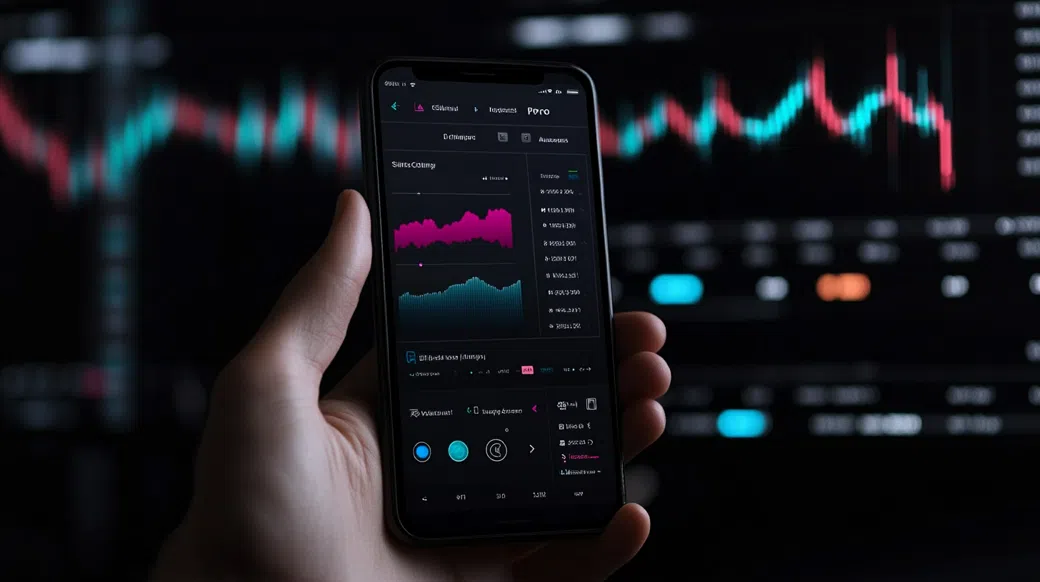
Built for traders who want a multi-asset CFD dashboard with punchy leverage, Polar Capridge suits active speculators more than set-and-forget index investors—and the headline trade-off is offshore oversight rather than a top-tier regulator. In my test account, the broker split pricing into a spread-only Standard tier and a tighter Raw/ECN-style option aimed at higher frequency traders. Markets lean toward FX majors, liquid indices, and the usual crypto CFD staples, with enough commodities to hedge risk-on days. The proprietary WebTrader is the centrepiece (mobile mirrors it well), but the ecosystem isn’t as deep as MT4/MT5 power setups. For a quick feel of the interface, I’d start with the demo, then sanity-check live spreads on Polar Capridge before sizing up.
Polar Capridge looked operational and functional in my 2026 test, not a “disappearing broker” scam. That said, it sits in an offshore framework, so the safety net is largely policy-based rather than enforced by a major onshore regulator.
My first trust check was the paperwork trail: the provider presented registration under the Mauritius FSC and required KYC before I could complete a withdrawal flow, which is a useful AML friction point. Offshore regulation, however, tends to mean higher permitted leverage (at the cost of weaker investor compensation schemes and less predictable dispute escalation). I scanned for common red flags—pushy “account manager” sales tactics, flashy awards with no provenance, and withdrawal games—and didn’t run into any of those during the week I used the platform. The client-area copy referenced segregated client funds and negative balance protection for retail accounts, which helps, though policy language isn’t the same as statutory protection. Keep your expectations grounded: CFDs are leveraged products, margin calls happen fast, and most retail traders lose money over time when risk sizing is sloppy.
The broker is geared toward international clients across parts of Asia, MENA, and emerging markets, with availability depending on local rules and internal policy. The USA and sanctioned jurisdictions are blocked.
| Region | Status | Leverage Cap |
|---|---|---|
| Southeast Asia | Accepted | Up to 1:500 |
| MENA (selected countries) | Accepted | Up to 1:500 |
| Latin America | Accepted | Up to 1:500 |
| Non-EU Europe (selected) | Accepted | Up to 1:200 |
| USA | Restricted | Not offered |
| Sanctioned jurisdictions | Restricted | Not offered |
Eligibility wasn’t just a marketing page—country selection, ID checks, and address verification together form the gatekeeping. Expect IP/location prompts and KYC flags to change if you travel or if the provider updates its accepted-country list.
Polar Capridge feels FX-and-index centric, with enough extras (metals, oil, and crypto CFDs) to keep most short-term macro traders busy. If your style is “one platform, many hedges,” the lineup is broad enough to do that.
All exposure is via CFDs, so you’re trading price movement rather than owning the underlying asset. That means no shareholder voting rights, no direct stock dividends in the traditional sense, and no on-chain crypto withdrawals.
Polar Capridge runs a tiered pricing setup: Standard accounts bake costs into the spread, while a Raw/ECN-style option pairs tighter pricing with a per-lot commission. In my checks, the all-in cost sat broadly in line with offshore CFD peers—competitive on the Raw tier, average on Standard.
| Asset | Spread/Fee | Market Average Comparison |
|---|---|---|
| EUR/USD (Standard) | From 1.6 pips | Around average for offshore CFD brokers |
| EUR/USD (Raw/ECN) | From 0.2 pips + $7 round-turn/lot | Competitive for active trading, if volume is consistent |
| Bitcoin (BTC/USD) | From $28 | Typical for crypto CFDs; varies with volatility |
| Gold (XAU/USD) | From $0.35 | Slightly better than many spread-only offerings |
| US500 Index | From 0.8 points | In the usual range for CFD index pricing |
Non-spread costs that matter: Overnight swap/financing is the quiet drag on multi-day positions, and I saw the rate details displayed in the instrument spec window before confirming trades on Polar Capridge. There’s also an inactivity fee of $10 per month after 90 days without activity, which can sting if you “park” an account between strategies. Withdrawals may carry third-party banking or network charges depending on rail, and card/crypto funding can create FX conversion costs if your base currency doesn’t match the deposit currency. For crypto CFDs, weekend financing can add up when volatility is highest.
From Sydney, I ran the WebTrader during the Asia-to-London handover and found it stable: the platform loaded quickly, quotes refreshed smoothly, and I could place market, limit, and stop orders without UI lag. Execution on a small EUR/USD ticket felt snappy, with only minor slippage when spreads widened briefly around a data release—nothing that screamed “dealer games,” but it’s still not the same transparency you’d expect from an exchange-traded venue. If you’re coming from an MT4/MT5 workflow, the biggest gap is ecosystem depth: fewer third-party tools, fewer community scripts, and less flexibility for heavy automation.
The Polar Capridge app tracked the WebTrader closely, which is what you want when you’re managing risk away from a desk. After Polar Capridge login, I had real-time quotes, one-tap position close, and simple order modification, plus access to deposits and withdrawals inside the same menu tree. Biometric unlock worked reliably on my device, and push notifications were available for price alerts, though the alert builder is basic. My main gripe: dense charts on smaller screens can feel cramped when you stack indicators.
Charting covers the core indicators—moving averages, RSI, MACD, Bollinger Bands—and the drawing toolkit is adequate for levels and trendlines. An economic calendar and integrated news feed helped with timing, but don’t expect a deep research desk or institutional-grade analytics. Watchlists are the unsung hero here: I set separate lists for “risk-on indices” and “defensive metals,” which made session prep faster. Power users chasing cTrader/MT5-style depth will likely treat this as functional rather than obsessive.
Before I could trade size, the onboarding screens asked for the usual basics—email, phone, country, and a short suitability-style set of questions. KYC required a government-issued photo ID and a proof of address dated within three months; my verification cleared later the same business day after upload. The client portal made it clear what was pending, and it nudged me to complete verification ahead of withdrawals, which I prefer versus last-minute surprises.
On the practical side, base currency choices were limited in the portal, so factor in conversion if you’re funding from an AUD-denominated card. For anyone searching “Polar Capridge minimum deposit,” the $200 entry point is mid-pack—low enough to test, but high enough that you should plan position sizing and margin usage from day one.
Support was tested with a real friction question: I asked live chat how swap/overnight fees are calculated on gold when holding through rollover. The agent responded in roughly three minutes, pointed me to the instrument specification panel, and clarified that triple-swap timing depends on the product’s trading calendar rather than my local time zone. I then emailed a follow-up about withdrawal steps post-KYC and received a coherent ticket reply in about nine hours, including expected processing windows and where to find status updates.
Coverage ran 24/5, which matches the FX week, and responses were written in clear business English; other languages looked region-dependent. Phone support wasn’t prominent in my account area, so I’d treat chat/email as the main channels. Weekends are quieter—fine for crypto CFD monitoring, but you shouldn’t expect the same turnaround as a Tuesday in the London-New York overlap.
If you’re considering this broker, start by checking your regional eligibility, then use the demo to map the order ticket, margin display, and chart tools. Once that’s familiar, compare the Standard vs Raw pricing on the instruments you actually trade—not the ones in the marketing banner.
Visit Polar CapridgeIt can be, provided you keep leverage modest and use the demo first. The interface is not cluttered, and the Standard account keeps pricing simple via spreads. Beginners should still treat CFDs with caution because losses can exceed expectations quickly when margin is mismanaged.
Yes, crypto is available as CFDs, including majors like BTC and ETH. You’re trading price exposure rather than receiving coins to a wallet. Weekend pricing and financing charges are part of the package, so read the instrument terms before holding positions long.
No, it did not present as a scam in my test—account access, trading, and support behaved like a functioning broker. The more relevant nuance is that it operates under an offshore framework (Mauritius FSC registration), so protections differ from Tier-1 regulated venues. Always size positions conservatively and avoid depositing money you can’t afford to lose.
No, Polar Capridge is not offered to US residents. The signup flow and compliance checks are designed to restrict access from heavily regulated or sanctioned jurisdictions. If you’re in the US, you’ll need a CFTC/NFA-compliant alternative.
Most withdrawals are processed internally within 24–48 hours after KYC is complete. Receipt time depends on the method: cards typically land in 2–5 business days, bank wires in 3–7 business days, and crypto transfers often arrive the same day (sometimes within hours). Weekends and bank holidays can stretch timelines.
The Polar Capridge minimum deposit is $200. That’s enough to test execution and spreads, but it’s still worth using the demo first to avoid paying “tuition” in slippage and swaps. If you plan to trade indices or gold with 1:500 leverage available, margin discipline matters more than the deposit size.
Yes, it offers mobile apps for iOS and Android. The app supports trading, watchlists, charting, and account actions like deposits and withdrawals. It’s a practical companion for monitoring open risk, though advanced platform ecosystems (like heavy MT5 automation) aren’t the focus.
Overall Score: 4.0/5
If your priority is cost control via a Raw-style account, plus access to the usual FX/index/metal staples from one screen, Polar Capridge delivers a competent experience without too much fuss. I liked the consistency between WebTrader and mobile, and the fee structure is easy to model once you pick your tier. The compromise is structural: offshore registration can limit formal recourse, so risk management must do more of the heavy lifting. Treat CFDs as tactical tools, not long-term investments, and keep leverage on a tight leash. For traders who understand that bargain, Polar Capridge is worth a serious look in 2026.
Best for: active CFD traders who want FX and index exposure with a Raw/ECN-style pricing option. Avoid if: you require Tier-1 regulation, deep MT4/MT5-style tooling, or you’re prone to overusing leverage.