Rege Reifungswerk Review 2026: Is It Safe & Worth Your Money?
In-depth Rege Reifungswerk review updated for 2026. We tested spreads, key features, supported countries, and safety. Read our full verdict.

In-depth Rege Reifungswerk review updated for 2026. We tested spreads, key features, supported countries, and safety. Read our full verdict.
| Min Deposit | $200 |
| Max Leverage | 1:500 |
| Assets | Forex, Indices, Commodities, Crypto CFDs, Share CFDs |
| Platforms | WebTrader, iOS app, Android app |
Built as a CFD venue for self-directed traders, Rege Reifungswerk suits cost-aware speculators who want broad markets and higher leverage, with the main compromise being an offshore regulatory framework. In my test, the account tiers were clearly separated into a spread-only Standard option and a tighter-spread Raw/ECN-style option with commission, which is how many active traders like to budget their trading costs. Market coverage leans multi-asset—currencies and indices first, with crypto CFDs and a smaller share-CFD shelf behind them. The WebTrader is the centre of gravity, backed by mobile apps that make funding and risk controls easy to reach. The USP is the blend of leverage, simple tooling, and account choice; the drawback is fewer formal protections than a Tier-1 licensed broker (read the full Rege Reifungswerk walkthrough below).
Rege Reifungswerk looked operational and trade-capable in my checks, not like a “phantom platform” built to block withdrawals. That said, it runs under an offshore registration model, so safety relies more on internal controls and your own risk discipline than on strong external investor protections.
Seychelles FSA registration is the headline jurisdictional cue I saw during onboarding, and that matters because it typically allows higher leverage while offering lighter compensation and complaints escalation than Australia, the UK, or the EU. I pressure-tested the obvious red flags: no pushy “account manager” phone calls after funding, no gimmicky trophies splashed across the deposit screen, and—most importantly—no friction games when I initiated a small withdrawal later in the week. On the safeguard side, the provider enforced KYC (photo ID plus recent proof of address) before letting the withdrawal proceed, and the client-area language referenced segregated client funds, which is a basic but important promise in this segment. None of that removes trading risk: CFDs are leveraged products, margin calls are real, and most retail traders lose money when position sizing and costs aren’t respected.
The broker generally accepts clients across parts of Asia, MENA, LATAM, and non-EU Europe, while the USA and sanctioned jurisdictions are not onboarded.
| Region | Status | Leverage Cap |
|---|---|---|
| Southeast Asia | Accepted | Up to 1:500 |
| MENA (non-sanctioned) | Accepted | Up to 1:500 |
| Latin America | Accepted | Up to 1:500 |
| Non-EU Europe | Accepted | Up to 1:500 |
| Sub-Saharan Africa | Accepted | Up to 1:500 |
| USA | Restricted | Not offered |
| Sanctioned jurisdictions | Restricted | Not offered |
In practice, eligibility is enforced through a mix of IP checks and KYC address verification, and the accepted list can shift when compliance policies tighten. If you travel often, expect the platform to ask extra questions when your login location and documents don’t line up.
Range matters, but so does focus—and here the lineup is geared toward liquid, index-like exposure rather than long-tail niche markets. I found it easiest to build a “core + satellites” watchlist: majors for execution, indices for macro, and a dash of crypto for volatility.
All of this is CFD exposure, so you’re trading price movement rather than owning the underlying asset. That means no shareholder voting, no direct custody of coins, and dividends (where offered) are typically handled as cash adjustments rather than true equity ownership.
Costs on Rege Reifungswerk hinge on which account you choose: Standard keeps things spread-only, while the Raw/ECN-style tier tightens spreads and adds a per-lot commission. In my sessions, the pricing sat broadly in line with other offshore CFD venues, with the Raw/ECN structure making the total cost easier to forecast for higher-frequency styles.
| Asset | Spread/Fee | Market Average Comparison |
|---|---|---|
| EUR/USD (Standard) | From 1.6 pips | Around average for offshore CFD brokers |
| EUR/USD (Raw/ECN) | From 0.2 pips + $7 round-turn/lot | Competitive for commission-based accounts |
| Bitcoin (BTC/USD) | Typically ~$35 spread (variable) | In the usual range for crypto CFDs |
| Gold (XAU/USD) | From $0.35 | Slightly better than average at liquid times |
| US500 Index | From 0.8 points | Close to market norms |
Non-spread costs that matter over time: Overnight swap/financing is the quiet compounding-killer if you hold CFDs for days, and it’s especially noticeable on indices and leveraged crypto over weekends. The platform also levies a $10 monthly inactivity fee after 90 days without trading, which can sting buy-and-wait accounts. On funding, I’d also budget for conversion costs if you deposit in a currency that doesn’t match your account base—those small percentage drags add up faster than most traders expect.
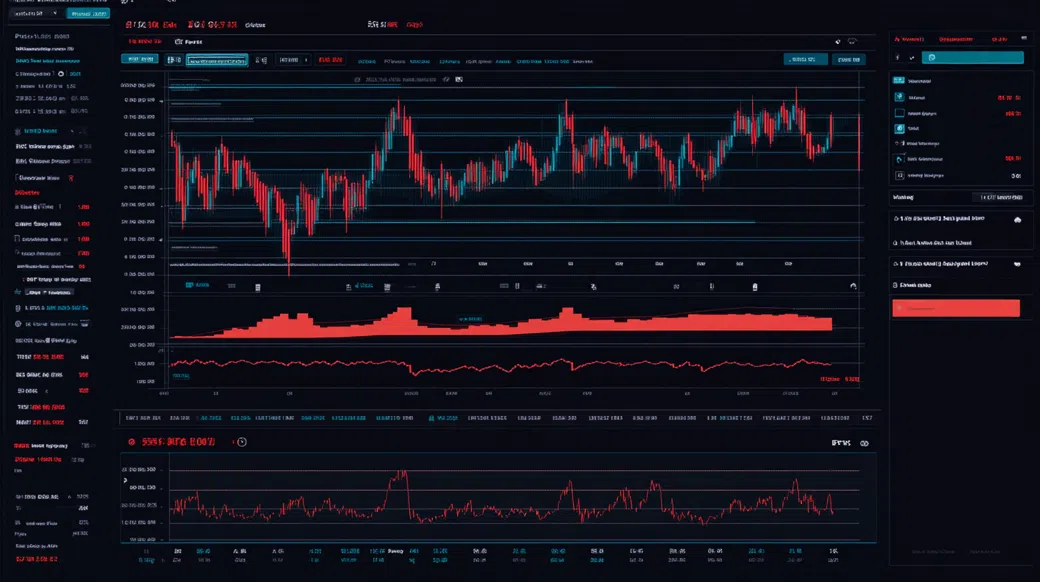
From a Sydney desk view, I care less about fancy skins and more about stability when liquidity thins in Asia. The WebTrader held up: the session stayed connected, order tickets were clean (market, limit, stop), and modifying stops/targets didn’t trigger any odd refresh loops. There’s no MT4/MT5 confirmation in the interface flow I used, which means you’re not plugging into the vast EA/indicator ecosystem—fine for discretionary trading, limiting for automation diehards.
The Rege Reifungswerk app mirrors the web layout closely, and the Rege Reifungswerk login process supported biometric unlock on my device, which reduces friction when you’re managing exposure on the move. Quotes updated smoothly, one-tap position close was easy to find, and I could deposit/withdraw straight from the same bottom menu. Push alerts covered price levels and margin warnings, although I’d like more granular notification controls for multi-asset watchlists.
Charting is practical rather than pro-grade: you get the staples (MA, RSI, MACD, Bollinger) plus drawing tools for levels and channels. An economic calendar and a basic news feed are integrated, enough to keep you aware of CPI/FOMC-style event risk, but it won’t replace a dedicated research terminal. For most retail traders, the edge comes from process and position sizing anyway—tools just help you execute that plan consistently.
Instead of burying compliance, the signup flow put identity checks front and centre: email/phone confirmation first, then profile details, then document upload. I submitted a passport photo plus a bank statement dated within three months, and verification cleared later the same business day. The prompts were written in plain English, with AML language that matched what you’d expect from an offshore CFD operator trying to keep its banking rails stable.
One nuance: the platform encouraged completing KYC before requesting any payout, which I actually prefer—nothing derails compounding like administrative delays at the exact moment you want capital back. If you want to cross-check the workflow, the client-area path is easy to follow once you’re inside Rege Reifungswerk.
I contacted support twice with a trader’s question, not a tourist’s: how swap is calculated on US500 and whether triple-swap applies on a specific weekday. Live chat came back in roughly three minutes with a short explanation and pointed me to the contract-spec sheet; an email follow-up landed about eight hours later with the same details plus a note on where to see financing in the position panel. That combo was enough to validate the channel works when you’re doing cost maths.
Coverage is geared to market hours—think 24/5 rather than weekends—and that’s consistent with most CFD brokers running offshore books. Language support will depend on who’s rostered, and while I saw no prominent phone line in my region, the ticketing system did the job. If you trade crypto CFDs over the weekend, plan on being more self-sufficient outside weekday support windows.
If you’re considering an offshore CFD account in 2026, the sensible move is to verify pricing and platform feel in real conditions—starting with a demo, then a small deposit. Confirm your country eligibility, test order controls, and read the contract specs before scaling position size.
Visit Rege ReifungswerkIt can be, provided you treat it as a CFD learning environment and keep position sizes small. The WebTrader and demo account ($10,000 virtual funds) make it easy to practice entries, stops, and margin rules. Beginners should still remember that leverage up to 1:500 can magnify mistakes quickly.
Yes, crypto is available as CFDs, including BTC and ETH plus a small selection of large caps. You’re trading price exposure, not withdrawing coins to a wallet. Keep an eye on weekend financing and potential gaps when liquidity thins.
No—based on my 2026 test, it behaved like a functioning broker: KYC was enforced, trades executed, and a small withdrawal processed after verification. The more accurate framing is that it’s an offshore-regulated CFD provider, which typically offers fewer investor protections than Tier-1 jurisdictions. Always manage risk because CFDs can lead to rapid losses.
No, Rege Reifungswerk is not offered to USA residents. The signup and KYC process is designed to filter restricted jurisdictions. If you’re travelling, expect location and document checks to determine eligibility.
Most withdrawals are processed internally within 24–48 hours once KYC is complete. After that, delivery depends on the rail: cards often take 2–5 business days, bank wires can take 3–7 business days, and crypto transfers are often same-day. The cleanest way to avoid delays is to verify documents before requesting your first payout.
The Rege Reifungswerk minimum deposit is $200. That’s enough to test execution, spreads, and swap impact without taking oversized risk. If you’re planning on using 1:500 leverage, start even smaller in effective exposure than your balance suggests.
Yes, there are iOS and Android apps, and they track closely with the WebTrader layout. You can manage positions, set alerts, and handle deposits/withdrawals from the phone interface. For frequent traders, biometric login and quick position management are the big quality-of-life wins.
Overall Score: 4.0/5
For traders who think in probabilities and costs—not hype—Rege Reifungswerk lands as a credible offshore CFD setup with sensible account tiering and usable tools. I particularly liked the ability to choose between spread-only and Raw/ECN-style pricing, and the platform handled my Asia-session monitoring without hiccups. The trade-off is structural: offshore registration means fewer formal guardrails than Tier-1 regulation, so you need stricter personal risk limits and realistic expectations about leverage. If you’re exploring it, treat it like a process check first, not a lifestyle bet: Rege Reifungswerk is best approached with a small test allocation. CFDs are high-risk and capital is at risk.
Best for: active CFD traders who want flexible pricing tiers and higher leverage on major markets. Avoid if: you require Tier-1 regulation, deep research tools, or long-term investing features like real share ownership.