Royal Kapithorne Review 2026: Is It Safe & Worth Your Money?
In-depth Royal Kapithorne review updated for 2026. We tested spreads, key features, supported countries, and safety. Read our full verdict.

In-depth Royal Kapithorne review updated for 2026. We tested spreads, key features, supported countries, and safety. Read our full verdict.
| Min Deposit | $200 |
| Max Leverage | 1:500 |
| Assets | Forex, Indices, Commodities, Crypto CFDs, Share CFDs |
| Platforms | Proprietary WebTrader, iOS app, Android app |
Built as an offshore CFD venue with a multi-asset menu, Royal Kapithorne suits traders chasing flexibility (and higher leverage) but who can live without a Tier‑1 rulebook. In my test account, the two-tier setup made sense: a spread-only Standard for occasional positioning, and a tighter Raw/ECN-style option for more frequent execution. Coverage leans toward liquid benchmarks—majors in FX, the big US indices, and the usual commodity bellwethers—wrapped in a clean WebTrader plus mobile stack. The upside is range and pace; the drawback is the lighter dispute framework that comes with this segment, so risk controls matter. For a guided starting point, see Royal Kapithorne.
Royal Kapithorne looks operational rather than a “vanish overnight” scam, based on my ability to verify identity, trade, and withdraw. The trade-off is that it operates under an offshore registration model (I saw Mauritius FSC referenced in the legal footer), which is not the same safety net you’d expect under ASIC or the FCA.
What mattered most in my check was process discipline: KYC was enforced (ID plus proof of address), and the client-area copy repeatedly referenced segregated client funds—useful language, even if enforcement standards vary offshore. Mauritius FSC oversight can still be meaningful, but it typically comes with lighter investor compensation expectations and a more complicated path for formal complaints than a Tier‑1 jurisdiction. I also scanned for the usual red flags: aggressive “account manager” pressure, too-good-to-be-true awards, or friction when moving money out. The tone was commercial but not predatory, and my withdrawal request wasn’t obstructed. Still, remember what you’re trading here: CFDs are leveraged products, margin calls can arrive fast, and most retail traders lose money—position sizing and stop discipline are non-negotiable.
The broker broadly accepts clients across parts of Asia-Pacific, MENA, and select non‑EU European markets, while the USA and sanctioned jurisdictions are not permitted.
| Region | Status | Leverage Cap |
|---|---|---|
| Southeast Asia (selected countries) | Accepted | Up to 1:500 |
| MENA (selected countries) | Accepted | Up to 1:500 |
| Latin America (selected countries) | Accepted | Up to 1:500 |
| Non‑EU Europe (selected countries) | Accepted | Up to 1:200 |
| USA | Restricted | Not offered |
| Sanctioned jurisdictions | Restricted | Not offered |
Eligibility isn’t just a tick-box: IP checks and KYC country documents are used to confirm residency, and the “accepted list” can shift as policies and local rules evolve. If you’re travelling, expect the portal to ask extra questions before funding or withdrawing.
Rather than trying to be everything to everyone, this service focuses on the liquid end of CFD markets—where spreads and execution matter more than novelty. The result is a line-up that works for macro-style traders rotating between FX, indices, and a few headline crypto pairs.
All of this is CFD exposure: you’re trading price movements with leverage, not taking ownership of shares or receiving shareholder rights. Likewise, crypto positions are synthetic—no on-chain transfers, and any “dividend” effect is typically reflected via price adjustments or financing.
Royal Kapithorne fees follow a familiar two-lane structure: Standard accounts bake costs into the spread, while the Raw/ECN-style account trims the spread and adds a commission. On balance, the totals are broadly in line with offshore CFD peers, with the Raw option making more sense as trade frequency rises.
| Asset | Spread/Fee | Market Average Comparison |
|---|---|---|
| EUR/USD (Standard) | From 1.6 pips | Around average |
| EUR/USD (Raw/ECN) | From 0.2 pips + $7 round-turn/lot | Competitive for active traders |
| Bitcoin (BTC/USD) | From $35 (variable) | Average (widens on volatility) |
| Gold (XAU/USD) | From $0.35 | Slightly better than average |
| US500 Index | From 0.9 points | About average |
Non-spread costs to watch: Overnight swap/financing is the quiet compounding killer if you hold CFDs for days—especially on indices and leveraged FX. I also noted an inactivity fee of $10 per month after 90 days without trading, which matters for “set and forget” accounts. Finally, withdrawals can be free on some rails but not all; if you fund in one currency and withdraw in another, conversion costs can show up in the banking layer rather than the platform. For the current schedule inside the portal, I referenced Royal Kapithorne.
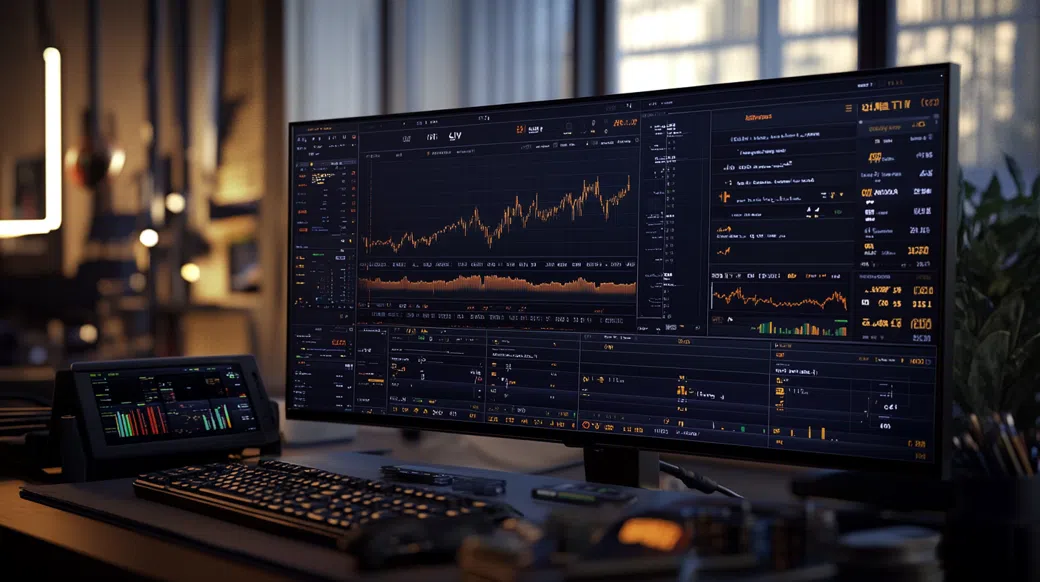
On desktop, the proprietary WebTrader held up during my sessions without the stutters you sometimes see on thinner white-label builds. Order tickets covered market, limit, and stop, plus basic risk controls; I tested a small NAS100 position around the Asia-to-London handover and saw fills that tracked the quoted price closely, with modest slippage when the tape sped up. If you’re coming from MT4/MT5, the gap is mainly ecosystem—fewer third-party add-ons and no sprawling indicator marketplace—though the core workflow is serviceable.
The Royal Kapithorne app mirrors the WebTrader layout, which helps when you’re managing positions away from a desk. Royal Kapithorne login supported biometric unlock on my device, and the app let me adjust stops, close positions in one tap, and initiate deposits/withdrawals without bouncing to a browser. Quotes refreshed quickly, and push notifications for price alerts worked, although the chart area felt slightly cramped in landscape mode when multiple indicators were layered.
Charting includes the staples—multi-timeframe views, drawing tools, and a practical set of indicators such as RSI, MACD, moving averages, and Bollinger Bands. There’s also an economic calendar and an integrated news feed that’s adequate for headline awareness. The ceiling is clear, though: advanced strategy testing and institutional-grade analytics still belong to dedicated platforms like MT5 or cTrader, so you’ll likely pair this with external research if you’re running a systematic process.
Before I placed a trade, the onboarding flow pushed me through an email verification, a short suitability-style questionnaire, and then identity checks consistent with AML practice. KYC required a government-issued photo ID and a proof of address dated within three months; my verification cleared the same business day. The client portal makes it easy to toggle between account types once approved, which is useful if you want to test pricing without opening multiple profiles.
One practical note from a portfolio-strategy mindset: if you fund with crypto for speed, keep a record of timestamps and wallet confirmations—clean paperwork reduces back-and-forth later. Also, base-currency choices are worth deciding early, because repeated conversions can quietly erode returns over time.
I approached support with a specific question about swap/overnight fees on gold and how they’re applied across Wednesday rollovers. Live chat connected in about three minutes and the agent pointed me to the symbol-spec sheet inside the platform, then clarified the triple-swap convention in plain language. I followed up via email asking whether withdrawals are delayed if KYC is incomplete; that reply landed in roughly nine hours with a checklist of required documents.
Coverage is broadly 24/5, which fits the CFD week, and responses were written in competent English with a slightly sales-leaning tone but no hard push. Phone support appears region-dependent; in my test journey, the preferred channels were chat and ticketing. Weekends are quieter—if you trade crypto CFDs on Saturday, expect slower human responses even if the platform remains open.
If you’re considering an offshore CFD account, start by comparing spreads in your usual markets and testing the mobile workflow before committing size. A demo first is sensible, then a small live deposit to validate order execution and the funding/withdrawal rails in your region.
Visit Royal KapithorneYes, it can work for beginners who keep position sizes small and use the demo first. The interface is not overly technical, and the Standard account avoids per-trade commission complexity. That said, high leverage (up to 1:500) is a double-edged sword, so newcomers should treat risk management as the first “lesson.”
Yes, crypto CFDs are available, including major pairs such as BTC/USD and ETH-based listings. Pricing is variable and can widen noticeably during sharp moves or thin liquidity windows. You’re trading CFDs, so you won’t be withdrawing coins to a wallet.
No—based on my 2026 test, it behaved like a functioning broker: KYC was required, trades executed, and my withdrawal request was processed. The more relevant question for most traders is jurisdiction: it’s offshore (Mauritius FSC referenced), which typically means fewer formal protections than Tier‑1 regulation. Approach it as a higher-risk venue and manage exposure accordingly.
No, Royal Kapithorne is not offered to USA residents. The sign-up and compliance checks are designed to screen for restricted jurisdictions. If you relocate or travel, re-verification may be requested.
A Royal Kapithorne withdrawal typically clears internal processing in 24–48 hours after KYC is complete. From there, arrival depends on the rail: cards are commonly 2–5 business days, bank wires 3–7 business days, and crypto is often same-day. Weekends and bank holidays can stretch those timelines.
The Royal Kapithorne minimum deposit is $200 in the funding screen I used. That level is enough to test execution and platform behaviour without overcommitting capital. If you plan to trade multiple positions with stops, consider depositing more to avoid constant margin pressure.
Yes, there’s a mobile app on iOS and Android, alongside the WebTrader. The app supports trade management, alerts, and account actions like deposits and withdrawals. It’s a good fit for monitoring and adjusting risk while away from a desktop.
Overall Score: 4.0/5
From a practical trading lens, the platform does the essentials well: a usable WebTrader, coherent mobile experience, and pricing that’s credible if you pick the account tier that matches your turnover. My main reservation isn’t the day-to-day mechanics—it’s the offshore context, where the escalation pathway is thinner than what Australian investors are used to under ASIC. If you treat this as a tactical CFD account (not a lifelong home for your compounding core), it can fit. For account setup and current terms, start at Royal Kapithorne. CFDs are leveraged; capital is at risk.
Best for: active CFD traders who want Raw/ECN-style pricing and can self-manage risk. Avoid if: you require Tier‑1 regulatory protections or you’re investing for long-horizon compounding via real shares/ETFs.