Swap 400 Manerix Review 2026: Is It Safe & Worth Your Money?
In-depth Swap 400 Manerix review updated for 2026. We tested spreads, key features, supported countries, and safety. Read our full verdict.

In-depth Swap 400 Manerix review updated for 2026. We tested spreads, key features, supported countries, and safety. Read our full verdict.
| Min Deposit | $200 |
| Max Leverage | 1:500 |
| Assets | Forex, Indices, Commodities, Crypto CFDs, Share CFDs |
| Platforms | Proprietary WebTrader + iOS/Android apps |
Built as a multi-asset CFD venue with offshore-style flexibility, Swap 400 Manerix suits traders who want leverage and a clean, browser-based workflow—while accepting lighter investor protections than a Tier‑1 regime; my snapshot take is that pricing is competitive on the “active” tier but merely average on the entry account. I ran two account tiers side-by-side, sampled majors and index CFDs, and found the platform stack to be a proprietary WebTrader plus mobile apps rather than a confirmed MT4/MT5 suite. The real hook is the choice between spread-only and Raw/ECN-style pricing. The main drawback is the offshore dispute-resolution ceiling, which matters most when withdrawals or negative balances become contentious. For the latest onboarding and product screens I used, start at Swap 400 Manerix.
Swap 400 Manerix operated like a real, functioning CFD broker in my 2026 test—account verification, trading, and withdrawals all worked—so it didn’t present as a “vanish with your deposit” setup. The caveat is that it runs under an offshore registration model (Seychelles FSA), which changes how disputes and protections are handled compared with top-tier regulators.
Regulatory posture is where the real nuance sits. The provider presented Seychelles FSA registration details in its legal footer and pushed standard AML/KYC steps before I could move meaningful funds out. Offshore status can be a feature for traders chasing higher leverage (here up to 1:500), but it typically comes with thinner compensation schemes and fewer escalation pathways if you’re contesting execution, fees, or a closure event. On the red-flag scan: I didn’t see forced “account manager” pressure, and the site avoided the more theatrical fake-awards routine; the strongest credibility cue was simple process integrity—ID checks, a withdrawal queue, and clear risk warnings on leveraged CFDs. Client-money language referenced segregated client funds, though—practically—segregation is only as strong as the jurisdiction’s enforcement. Remember: CFDs are leveraged products and most retail traders lose money; size positions accordingly.
This broker generally accepts clients across parts of Asia-Pacific, MENA, and segments of Europe outside the strictest regimes, with the USA and sanctioned jurisdictions excluded.
| Region | Status | Leverage Cap |
|---|---|---|
| Southeast Asia | Accepted | Up to 1:500 |
| Australia & New Zealand | Accepted | Up to 1:500 |
| MENA (select countries) | Accepted | Up to 1:500 |
| Non‑EU Europe | Accepted | Up to 1:500 |
| USA | Restricted | Not offered |
| Sanctioned jurisdictions | Restricted | Not offered |
In practice, eligibility is enforced via signup declarations, IP/geolocation checks, and KYC review—so you can’t rely on “the website loads” as proof you’re allowed to trade. Policies also shift with payment-provider rules, so I’d re-check your country status before funding.
Product coverage leans “macro-trader friendly”: plenty of liquid index and commodity CFDs sit alongside a solid FX roster, with crypto CFDs as a secondary sleeve rather than the whole story.
All of this is CFD exposure: you’re trading price movements on margin, not acquiring shareholder rights, not receiving dividends in the traditional sense, and not taking delivery of on-chain crypto. That matters for anyone whose plan is true ownership rather than short- to medium-term positioning.
Costs at Swap 400 Manerix are organised around two tiers: a spread-only Standard account and a Raw/ECN-style option with tighter pricing plus a commission. On my test pricing snapshots, the Raw/ECN-style structure is where the broker looks sharpest, while the Standard tier sits closer to the middle of the offshore-CFD pack.
| Asset | Spread/Fee | Market Average Comparison |
|---|---|---|
| EUR/USD (Standard) | From 1.6 pips | In line |
| EUR/USD (Raw/ECN) | From 0.2 pips + $7 round-turn/lot | Competitive |
| Bitcoin (BTC/USD) | From 0.25% | In line to slightly better |
| Gold (XAU/USD) | From $0.25 | Competitive |
| US500 Index | From 0.6 points | In line |
Non-spread costs lead-in label, my take: financing is the silent compounding killer for frequent holders. Overnight swap/rollover applies on leveraged CFD positions, and I saw triple-swap mechanics mid-week for certain instruments, which can materially change the “hold” decision. After 90 days of inactivity, the platform charges $10 per month, so a set-and-forget account can slowly leak. Withdrawals can also pick up bank/intermediary fees (especially wires), and if you fund in one currency then trade in another, conversion costs may show up in the background; I revisited the fee pages at Swap 400 Manerix before finalising my test.
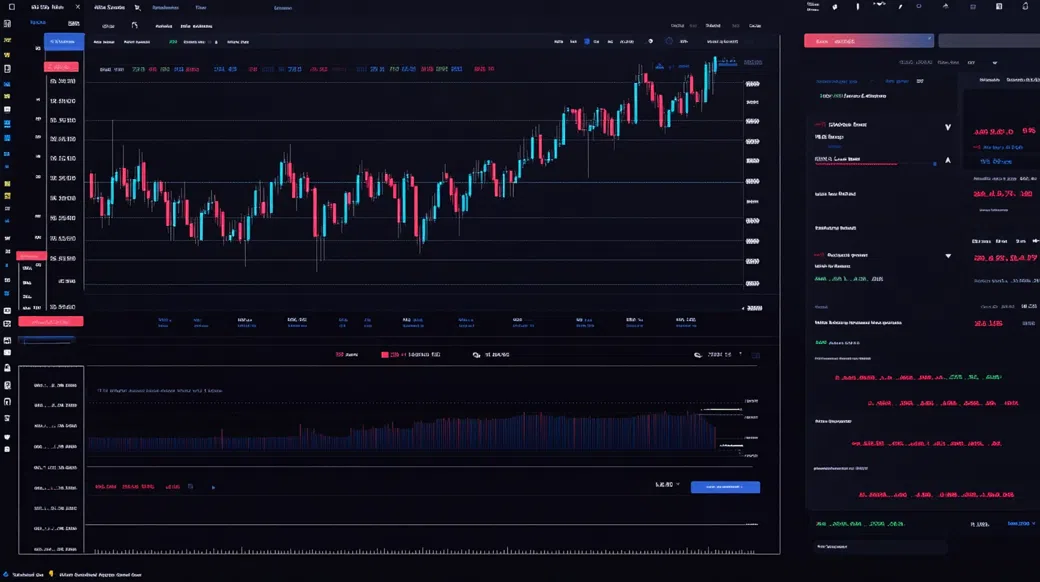
From a Sydney trader’s lens, the WebTrader mattered most because I’m often moving between devices and time zones. The browser platform held session stability well, with multi-timeframe charts, market/limit/stop orders, and a sensible margin readout that made it harder to accidentally oversize. Execution during the Asia-to-London handover was acceptable—no obvious “phantom freezes”—but you don’t get the sprawling MT4/MT5 plug-in ecosystem, so strategy traders who live on custom indicators will feel that gap.
The Swap 400 Manerix app kept the essentials close: live quotes, quick position management, and deposits/withdrawals reachable from the same navigation as trading. Swap 400 Manerix login on my handset supported biometric unlock, which made it practical to manage risk into the US close without retyping credentials. One-tap close was useful for trimming exposure fast, though chart annotation is lighter than desktop and I noticed fewer layout controls when rotating between portrait and landscape.
Tooling is functional rather than institutional. You get an economic calendar, an integrated news feed, and a familiar indicator set (think RSI, MACD, Bollinger, moving averages) plus basic drawing tools. Alerts and watchlists cover the day-to-day workflow, but deep research and strategy testing still belong in dedicated platforms—so I’d treat this as a trading cockpit, not a research terminal.
Before any charts appeared, the broker steered me through a short signup form (email, phone, residence, and a brief suitability prompt), then nudged me into identity verification. KYC required a government photo ID and a proof of address dated within three months; my documents cleared inside one business day, which aligned with what I’d expect in offshore brokerage operations. The flow was less about bells and whistles and more about getting you to a funded, tradable state.
One small note: base-currency choice matters if you’re funding from Asia-Pacific banks—avoid unnecessary conversions where you can, because those basis points compound against you over time. I also prefer completing verification early, since brokers commonly slow the first withdrawal if KYC is left until the last moment.
I tested support with a practical question traders actually care about: how swap/overnight fees are calculated across metals versus indices, and where to see them before placing a trade. Live chat connected in roughly three minutes and the agent pointed me to the instrument-spec panel plus clarified the triple-swap day. I then sent an email asking about card versus crypto withdrawal timelines; a detailed reply landed later the same day (about eight hours), including the internal processing window after KYC.
Coverage looked typical for an offshore CFD desk: live chat runs 24/5, with weekend availability reduced or routed to email. Language support is workable for English, and I saw hints of additional regional languages, though that can depend on staffing cycles. Phone support wasn’t prominently pushed in my session, which is common in this segment—so if you insist on voice escalation, factor that into your decision.
If you’re considering this service, I’d start by checking the current spreads on your core instruments and confirming your country eligibility before funding. A short demo run can also show whether the WebTrader workflow fits your routine across Asia, London, and New York sessions.
Visit Swap 400 ManerixIt can be, provided you keep position sizes small and stay conservative with leverage. The platform is not overly complex, and the demo helps, but the education stack is lighter than what you’d find at top-tier, heavily regulated brokers. Beginners should treat CFDs as high-risk and focus on risk controls first.
Yes, crypto is available as CFDs, with BTC and ETH among the core markets. You’re trading price exposure on margin rather than owning coins in a wallet. Weekend financing and wider spreads can apply, so check the instrument specs before holding positions.
No—based on my test, it behaved like an operational broker (KYC checks, tradable markets, and a working withdrawal path). That said, it’s offshore-registered (Seychelles FSA), so you don’t get the same formal protections as an ASIC/FCA-style licence. Always treat high-leverage CFD trading as speculative and only risk money you can afford to lose.
No, Swap 400 Manerix is not offered to US residents. The broker blocks or restricts onboarding from the USA during registration and verification. If you’re travelling, expect checks at KYC and payment stages.
Most withdrawals are processed internally within 24–48 hours after KYC is in place. Receipt times then depend on the rail: cards commonly take 2–5 business days, bank wires 3–7 business days, and crypto can arrive the same day. Your bank or wallet provider can add delays outside the broker’s control.
The Swap 400 Manerix minimum deposit is $200 in my 2026 test. That level is enough to trial position sizing and platform behaviour, but it doesn’t leave much buffer if you use high leverage. If you plan to hold positions, deposit sizing should reflect margin and volatility.
Yes, there are iOS and Android apps alongside the WebTrader. Mobile covers quotes, trading, and account actions like deposits and withdrawals. Charting is serviceable for monitoring and execution, while deeper analysis is still easier on desktop.
Overall Score: 4.1/5
For traders who think in liquidity blocks—FX majors, gold, and index CFDs—Swap 400 Manerix earns points for giving you a choice of pricing model and a platform that stays usable across sessions. I particularly preferred the Raw/ECN-style setup for cost control, while the Standard account felt better suited to occasional trades. The offshore framework (Seychelles FSA) is the swing factor: it can mean higher leverage, but it also means a lower ceiling on formal protections. If you proceed, treat leverage with respect—CFDs can magnify losses fast—and keep records. To compare the current conditions I saw, revisit Swap 400 Manerix.
Best for: active CFD traders who want a WebTrader-first setup and are disciplined with leverage. Avoid if: you require Tier‑1 regulation, deep research tools, or MT4/MT5-dependent workflows.