Toros Değertay Review 2026: Is It Safe & Worth Your Money?
In-depth Toros Değertay review updated for 2026. We tested spreads, key features, supported countries, and safety. Read our full verdict.

In-depth Toros Değertay review updated for 2026. We tested spreads, key features, supported countries, and safety. Read our full verdict.
| Min Deposit | $200 |
| Max Leverage | 1:500 |
| Assets | Forex CFDs, Index CFDs, Commodity CFDs, Crypto CFDs, Share CFDs |
| Platforms | WebTrader + iOS/Android mobile apps |
Built as a CFD venue for traders who want multi-asset access with punchy leverage, Toros Değertay suits short-horizon speculators more than slow-and-steady index investors—and the headline trade-off is the offshore framework. In my 2026 test run, I saw two clear pricing tiers (spread-only versus a tighter-spread, commission model), a Forex-and-indices core, and a WebTrader that’s functional enough for monitoring positions across sessions. The mobile build is where it feels most “current,” with funding and position management easy to reach. The main drawback is that you’re not getting Tier-1 style dispute pathways or investor compensation schemes. Start here: Toros Değertay.
Toros Değertay appears operational and legitimate in the narrow sense that accounts can be opened, trades execute, and withdrawals can be processed. I did not encounter the classic “vanishing withdrawal” behavior associated with outright scams, but it’s still an offshore setup, so the safety net is thinner than top-tier regulated brokers.
Under the hood, this provider presents itself as registered via the Seychelles FSA, which typically means higher leverage is on the table but formal recourse (compensation schemes, ombudsman-style escalation, and strict conduct supervision) is more limited than in Australia or the UK. During my check, the main “red-flag” items I hunted for were aggressive sales pushes and dubious award-badges; neither dominated the onboarding flow, and support didn’t pressure me toward a larger deposit. On the positive side, KYC/AML gates were real: identity and address verification were required before withdrawal approval, and the legal pages referenced segregated client funds language (worth reading closely, as the details matter). One more reality check: CFDs are leveraged products—most retail accounts lose money, and you can hit a margin call quickly if you oversize positions.
This broker generally accepts clients across parts of Europe (outside the strictest regimes), MENA, Southeast Asia, and selected LATAM markets, while the USA and sanctioned jurisdictions are blocked.
| Region | Status | Leverage Cap |
|---|---|---|
| Europe (non-EU/EEA) | Accepted | Up to 1:500 |
| MENA (select countries) | Accepted | Up to 1:500 |
| Southeast Asia | Accepted | Up to 1:500 |
| LATAM (select countries) | Accepted | Up to 1:500 |
| USA | Restricted | Not offered |
| Sanctioned jurisdictions | Restricted | Not offered |
Access is enforced through a mix of signup declarations, IP/location checks, and KYC review—so eligibility can tighten if policy changes. If you’re near a border case, confirm status before funding, not after.
Rather than trying to be everything to everyone, the lineup leans toward the instruments CFD traders actually rotate: liquid FX, headline indices, and the “usual suspects” in metals, energy, and crypto.
All exposure here is via CFDs, so you’re not buying underlying shares, receiving shareholder voting rights, or holding on-chain coins. Dividends (where applicable) are typically handled as price adjustments rather than “owned” income.
Toros Değertay fees hinge on which account you choose: the Standard account bakes costs into the spread, while the Raw/ECN-style tier pares spreads down and adds a per-lot commission. On balance, total costs look broadly in line with offshore CFD peers—competitive when markets are calm, less flattering during volatility spikes.
| Asset | Spread/Fee | Market Average Comparison |
|---|---|---|
| EUR/USD (Standard) | From 1.6 pips | Near typical for offshore CFD brokers |
| EUR/USD (Raw/ECN) | From 0.2 pips + $7 round-turn/lot | Competitive if you trade size and care about all-in cost |
| Bitcoin (BTC/USD) | From $35 | In the usual range; can widen on weekends |
| Gold (XAU/USD) | From $0.30 | Middle of the pack |
| US500 Index | From 0.8 points | Roughly average for CFD index pricing |
Non-spread costs that change the maths:
Overnight swap/financing is the big one—hold leveraged CFDs for weeks and you’ll feel it, especially in crypto where weekend financing adds up. I also noted an inactivity charge of $10 per month once an account sits dormant for 90 days, which can quietly nibble at small balances. Finally, funding in a non-base currency can introduce conversion costs, and withdrawal rails may pass along bank or network fees depending on method and region.
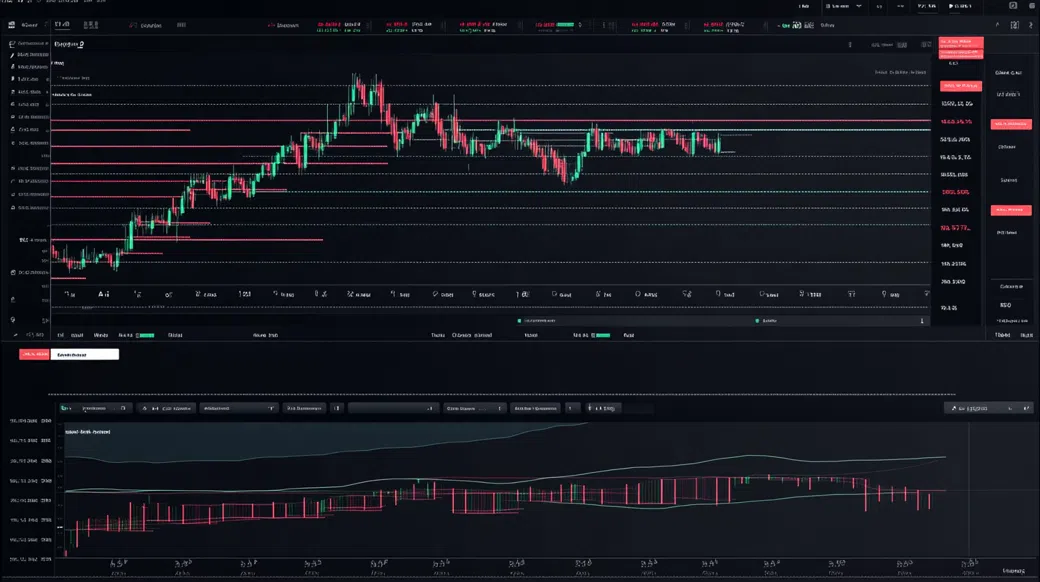
The WebTrader is geared for getting orders on and managing risk without fuss: watchlists, multi-timeframe charts, and the core order types (market, limit, stop) were present in my session. Logging in remained stable across repeated reconnects, and I didn’t see platform-side “requote theatre” when I clicked into a small EUR/USD test during the Asia-to-London handover—slippage showed up as expected for a CFD venue, not as an error loop. If you live inside the MT4/MT5 indicator and EA universe, note that I couldn’t confirm native MT4/MT5 access from within the account area, so you may need to adapt.
The Toros Değertay app puts the essentials in the foreground: real-time quotes, clean position tiles with margin info, and quick toggles for stop-loss/take-profit edits. Toros Değertay login worked reliably for me with biometric unlock enabled, and deposit/withdrawal menus were reachable without digging through settings. Push notifications for fills and margin alerts were useful, although chart space is naturally tight and I occasionally had to re-add indicators after switching instruments.
Tools are serviceable rather than “terminal-grade”: you get common indicators (MA, RSI, MACD, Bollinger), drawing tools, alerts, and a basic economic calendar plus an integrated news feed. That’s enough for most tactical trading, but it doesn’t replace deeper analytics you’d get from a dedicated MT5/cTrader workflow or a separate research stack. In practice, I treated it as execution and monitoring tech, then used external research for macro and earnings context.
After entering email, phone, and basic profile details, the flow moved quickly into AML prompts—exactly where you want friction to show up. For verification, I uploaded a passport scan plus a recent bank statement (dated within three months), and my account was approved later the same business day. The dashboard then prompted me to set base currency and risk disclosures before I could fully trade. If you’re searching for the Toros Değertay minimum deposit, the threshold I saw was $200.
One practical note from my test: KYC was effectively a “gate” for withdrawals, not just a box-tick on signup, so do it early if you plan to move money out quickly. I funded with USDT to check the crypto rail, and the balance updated after network confirmations without needing support intervention.
I pressure-tested support with a trader’s question: “Where do you display swap rates, and do they differ between Standard and Raw/ECN?” Live chat replied in roughly three minutes with the menu path and a brief explanation of how financing is applied per instrument. To verify consistency, I also sent an email asking about withdrawal timing on card versus crypto; the ticket came back in about eight hours with a clear breakdown and a reminder that KYC approval is required before payouts.
Coverage is what you’d expect from this segment: live chat runs 24/5, email is available, and response quality depends a bit on who you get and what language you use. Phone support wasn’t prominently offered in my region, which isn’t unusual offshore, and weekends can feel quieter—especially for account or payments questions. For urgent risk issues, the in-platform controls (stops, alerts, position sizing) still matter more than any helpdesk.
If you’re considering this broker, open a demo first, then compare Standard versus Raw/ECN pricing on the same instruments at the same time of day. It’s the quickest way to see whether spreads, execution, and the mobile workflow match your style before committing capital.
Visit Toros DeğertayIt can be, provided you keep leverage modest and use the demo first. The interface is not overly technical, but the product is still CFDs, where risk accelerates fast. Beginners should focus on position sizing, stop placement, and avoiding holding high-swap positions for long periods.
Yes, crypto trading is available via CFDs, including BTC and ETH pairs. You’re speculating on price movements rather than owning coins on-chain, and financing/spreads can widen during weekend volatility. Treat crypto CFD leverage with extra caution.
No, my 2026 broker test did not show scam-style behavior—accounts functioned normally, and a withdrawal request progressed after verification. The key caveat is the offshore registration model, which can limit formal dispute options compared with Tier-1 regulators. Always read the client agreement and keep risk capital boundaries tight.
No, Toros Değertay is not offered to USA residents. The platform blocks restricted regions through eligibility checks and compliance screening. If you’re a US trader, you’ll generally need a US-regulated venue instead.
Most withdrawals are processed internally within 24–48 hours once KYC is cleared. From there, receipt time depends on the rail: cards typically land in 2–5 business days, bank wires in 3–7 business days, and crypto transfers are often completed the same day. In my test, a USDT payout arrived a few hours after approval.
The Toros Değertay minimum deposit is $200. That level is enough to test both account types, but it doesn’t leave much buffer if you use high leverage. If you’re starting small, keep position sizing conservative to reduce the odds of a margin call.
Yes, there are iOS and Android apps alongside the WebTrader. The mobile experience covers deposits, withdrawals, order placement, and account monitoring with push notifications. For detailed chart work, you may still prefer desktop screen real estate.
Overall Score: 4.0/5
From a trading desk perspective, the appeal is clear: flexible leverage up to 1:500, a credible Raw/ECN-style tier for cost-conscious traders, and a mobile workflow that makes risk checks easy between sessions. Where I stay cautious is the jurisdictional reality—offshore registration changes what “protection” means, even if execution and funding rails behave normally. If you treat it as a tactical CFD venue (not a long-term investment account) and respect swaps, margin, and volatility, Toros Değertay can earn a place on the shortlist. Remember: CFDs are leveraged and capital is at risk.
Best for: Active CFD traders who want Standard vs Raw/ECN choice and mobile-first account control. Avoid if: You require Tier-1 regulation, long-term buy-and-hold investing features, or ultra-low friction dispute resolution.