Vinstvera Review 2026: Is It Safe & Worth Your Money?
In-depth Vinstvera review updated for 2026. We tested spreads, key features, supported countries, and safety. Read our full verdict.

In-depth Vinstvera review updated for 2026. We tested spreads, key features, supported countries, and safety. Read our full verdict.
| Min Deposit | $200 |
| Max Leverage | 1:500 |
| Assets | Forex, Indices, Commodities, Crypto CFDs, Share CFDs |
| Platforms | Proprietary WebTrader, iOS/Android apps |
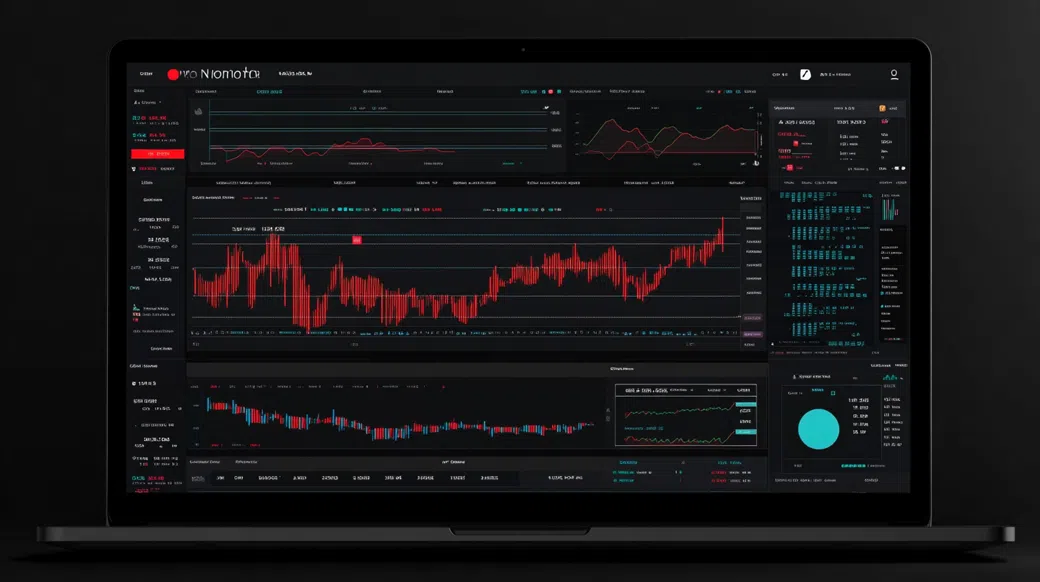
Built as a multi-asset CFD venue, Vinstvera suits traders who value leverage and quick market access, with the clear trade-off being an offshore framework rather than top-tier onshore oversight. In my test account, the platform steered me toward two tiers—spread-only for casual positioning and a tighter-spread option aimed at higher turnover. Coverage leans practical: major FX pairs, the big index benchmarks, and the usual macro hedges like gold and oil, plus crypto CFDs for weekend volatility. The proprietary WebTrader is the centrepiece, backed by mobile apps; the biggest limitation is the thinner research layer and the fact that the wider MT4/MT5 plugin ecosystem isn’t something I could confirm here. For the current signup path, start at Vinstvera.
From my hands-on checks, Vinstvera appears operational rather than a “vanish-after-deposit” setup, with standard onboarding controls and a withdrawal that completed in my test. The important caveat is that it runs under an offshore registration model, so “safe” depends heavily on your own risk controls and expectations.
The first trust signal I look for is whether the broker actually enforces KYC/AML, because scammy outlets often avoid it until they need an excuse to block a payout. Here, identity checks were required: a photo ID plus a recent proof-of-address document, and the account flipped to verified status later the same business day. The provider references registration via the Mauritius FSC, which is common among international CFD brokers offering higher leverage; the upside is flexibility, while the downside is lighter investor compensation arrangements and fewer escalation routes if a dispute turns messy. During the test window I didn’t see aggressive “account manager” pressure or gimmicky badges that screamed marketing fiction. Language around segregated client funds was present in the legal pages, though—as always offshore—you’re relying more on policy than on a heavyweight regulator. CFDs are leveraged products and most retail accounts lose money; treat margin and drawdowns with respect.
This broker is generally accessible across parts of Asia-Pacific, LATAM, MENA and sections of Europe where offshore CFDs are permitted, with eligibility checked during signup. The USA and sanctioned jurisdictions are blocked.
| Region | Status | Leverage Cap |
|---|---|---|
| Southeast Asia (selected) | Accepted | Up to 1:500 |
| Australia & New Zealand | Restricted | Not offered |
| LATAM (selected) | Accepted | Up to 1:500 |
| MENA (selected) | Accepted | Up to 1:500 |
| Non-EU Europe (selected) | Accepted | Up to 1:500 |
| USA | Restricted | Not offered |
| Sanctioned jurisdictions | Restricted | Not offered |
Access is enforced through a mix of IP checks and KYC residency verification, so a passport/address mismatch will usually stop onboarding before funding. Country rules move over time, so it’s worth re-checking eligibility right before you deposit.
Rather than trying to be everything to everyone, the lineup feels designed for macro-style CFD trading: liquid benchmarks first, then higher-volatility satellites. I found enough depth for a typical “core index + FX + gold” playbook, with crypto CFDs available for those who want weekend exposure.
All of this is CFD exposure: you’re trading price movements on margin, not buying shares with voting rights and not taking delivery of commodities. For crypto, there’s no on-chain transfer—profits and losses are settled within the trading account.
Costs on Vinstvera are built around two tracks: a Standard account that bakes fees into the spread, and a Raw/ECN-style account that pairs tighter spreads with a per-lot commission. On my test pricing, the all-in feel lands in the familiar range for offshore CFD brokers—competitive on the active tier, more average on entry-level spreads.
| Asset | Spread/Fee | Market Average Comparison |
|---|---|---|
| EUR/USD (Standard) | From 1.6 pips | In line with typical spread-only accounts |
| EUR/USD (Raw/ECN) | From 0.2 pips + $7 round-turn/lot | Competitive for frequent traders |
| Bitcoin (BTC/USD) | From $35 | About average; can widen on fast moves |
| Gold (XAU/USD) | From $0.25 | Slightly better than many CFD-only peers |
| US500 Index | From 0.8 points | Generally in the mid-pack |
Non-spread costs that matter over time: Holding positions overnight brings swap/financing, and I saw the swap values displayed inside the ticket before confirming the trade—worth checking if you run multi-day holds. The platform also applies a $10 monthly inactivity fee after 90 days without trading, which quietly punishes “set-and-forget” accounts. Funding in a different base currency can add conversion friction, and crypto positions typically carry weekend financing behaviour that can surprise newer CFD traders.
On desktop, the WebTrader loaded reliably across multiple sessions and stayed stable during the London open when spreads are usually at their tightest. Order tickets supported market and pending orders, with stop-loss/take-profit attached from the outset; execution felt consistent on liquid products, though you should still expect slippage around fast headlines because that’s the nature of CFDs. Traders coming from MT4/MT5 should note the difference: this platform is cleaner, but it doesn’t replicate the huge third-party indicator and automation marketplace that MetaTrader users lean on.
The Vinstvera app mirrors most of the WebTrader workflow, including deposits, withdrawals, and one-tap position management—handy if you’re managing risk between meetings. Vinstvera login supported biometric unlock on my device, and push notifications were available for order updates (useful when stops are in play). Real-time quotes were responsive, but the smaller screen makes multi-chart work feel cramped, so I treated it as a monitoring and execution tool rather than a full analysis workstation.
Charting covers the essentials: multiple timeframes, common indicators (MA, RSI, MACD, Bollinger Bands) and the expected drawing tools for levels and trendlines. A basic economic calendar and news feed are integrated, which is enough to keep you aware of CPI/FOMC-style risk, but it won’t replace a dedicated research terminal. If you’re the sort of trader who builds systems around deep analytics, you’ll likely supplement with external tools.
After entering email, phone, and basic profile details, the signup funnel pushed me straight into identity verification rather than letting me trade first and “deal with KYC later.” Upload prompts asked for a government-issued photo ID and a proof of address dated within three months; my documents were approved the same day, which is about as smooth as offshore onboarding gets. For traders searching the exact figure, the Vinstvera minimum deposit in my test was set at $200.
One practical note from the funding screen: base-currency choices were limited, so AUD-based investors may see conversion costs depending on their card or wallet provider. If you’re curious about the current onboarding flow, you can confirm the latest requirements directly on Vinstvera.
I tested support with a nuts-and-bolts question: where to find the swap/overnight rates before placing a trade, and whether they differ by account tier. Live chat replied in roughly three minutes and pointed me to the instrument details panel plus the order ticket preview; the guidance matched what I saw on-screen. I also sent an email asking about withdrawal processing steps after verification, and the ticket response landed later the same business day (around eight hours), with a clear checklist rather than a sales pitch.
Coverage is the familiar offshore pattern—24/5 with the strongest responsiveness during market hours, and thinner staffing outside the main weekday sessions. Language options depend on who’s rostered, and phone support wasn’t positioned as a primary channel during my checks. That’s not a deal-breaker, but if you want instant escalation by phone, it’s worth factoring into your decision.
If you’re weighing this broker, I’d start by running the demo, then checking live spreads during your usual session (Asia, London, or NY overlap). Also confirm your country eligibility and preferred funding rail before committing real capital.
Visit VinstveraIt can be, provided you already understand CFD risk and position sizing. The WebTrader is not intimidating, and the $10,000 demo helps you learn order tickets without paying spreads. Beginners who need structured courses and deep research may find the education layer a bit light.
Yes, crypto is available as CFDs, including majors like BTC and ETH. You’re trading price exposure on margin, not transferring coins to a wallet. Expect wider spreads and sharper weekend financing dynamics than you’d see on FX majors.
No—based on my 2026 test, it behaved like a functioning offshore CFD broker, including KYC enforcement and a processed withdrawal. The “Vinstvera scam” question usually comes down to expectations: offshore registration offers fewer formal protections than top-tier jurisdictions. Trade small until you’ve validated execution and withdrawals for your own account.
No, Vinstvera is not offered to US residents. The onboarding flow blocks restricted regions, and KYC checks are used to enforce residency rules. If you’re in the US, you’ll need a CFTC/NFA-compliant alternative.
A Vinstvera withdrawal typically needs 24–48 hours for internal processing after your account is verified. After that, arrival time depends on the rail: cards are often 2–5 business days, wires 3–7 business days, and crypto can be same-day. In my test, the status updates were visible in the portal while the request was pending.
The Vinstvera minimum deposit is $200. That’s enough to open a live account, but it doesn’t mean you should use maximum leverage—1:500 can magnify mistakes quickly. If you’re new, consider using the demo first and funding gradually.
Yes, there are iOS and Android apps, and the Vinstvera app supports trading, deposits, and withdrawals. Mobile is best for monitoring and quick adjustments, while deeper chart work is still more comfortable on desktop. Biometric sign-in was available on my device for faster access.
Overall Score: 4.0/5
For traders who think in terms of spreads, financing and risk limits—not marketing slogans—Vinstvera is a credible offshore CFD venue with a sensible tiered pricing setup. My experience from deposit through to a completed withdrawal was orderly, and the WebTrader/app pairing covers the practical workflow most active traders need. The main “but” is jurisdiction: offshore registration can mean less recourse if something goes wrong, so position sizing and withdrawal discipline matter. If you want to sanity-check the current conditions before committing, use Vinstvera to review eligibility and live pricing. Remember: CFDs are leveraged; capital is at risk.
Best for: self-directed CFD traders seeking higher leverage and a clean proprietary platform. Avoid if: you require Tier-1 regulation, deep research, or MT4/MT5-dependent workflows.