Vision Predova Trading Platform Alternatives 2026
Compare Vision Predova alternatives for 2026 with a safety-first lens: regulated brokers, costs, platforms (MT4/MT5/cTrader), and practical switching steps.

Compare Vision Predova alternatives for 2026 with a safety-first lens: regulated brokers, costs, platforms (MT4/MT5/cTrader), and practical switching steps.
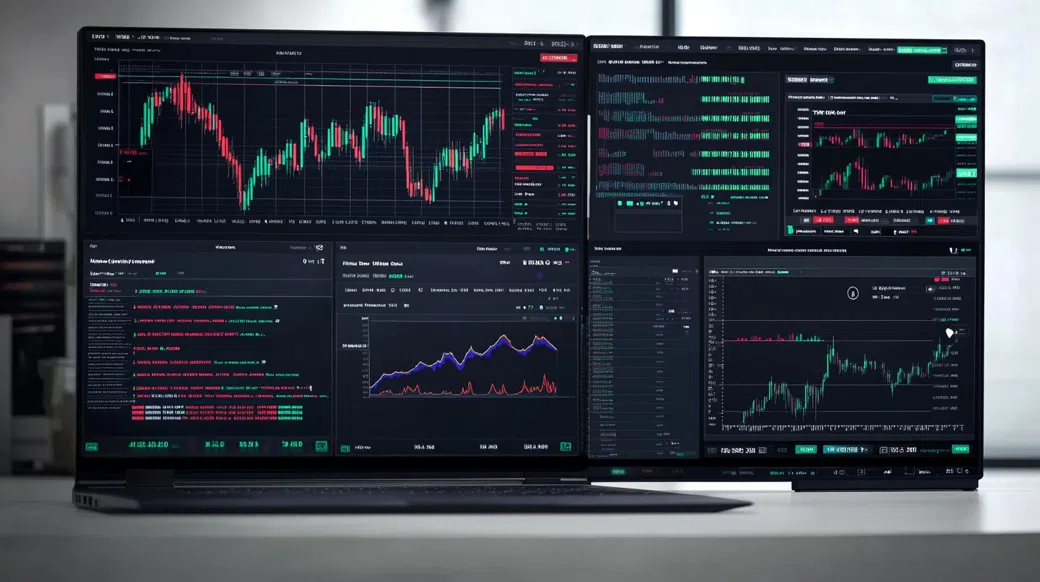
Leverage has a habit of turning small decisions into big outcomes—sometimes in your favour, often not. That’s why the first question I ask about any CFD-first venue is simple: “What’s the safety net if something goes wrong?” Vision Predova is typically discussed in the same breath as offshore CFD providers: a proprietary WebTrader, a mobile app, and a product menu centred on forex and CFDs (often including crypto CFDs). The headline numbers tend to look punchy—maximum leverage around 1:500 and entry-level deposits commonly pitched near $250—yet those figures don’t tell you much about execution quality, withdrawal reliability, or client-money protections.
For a global audience—especially US/EU readers used to stricter rulebooks—the search for Vision Predova alternatives usually comes down to three practical gaps: (1) regulatory cover (FCA/ASIC/CySEC/NFA frameworks and what they require), (2) total cost of trading (spread + commission + swap, not just “from” spreads), and (3) platform depth (MT4/MT5/cTrader versus basic WebTrader workflows). Add the compounding effect of small frictions—slippage, wider spreads during volatile sessions, or funding delays—and the “cheaper” option can quietly become the expensive one over a year of activity.
Disclaimer: This article is for informational purposes only and does not constitute investment advice. CFDs and other leveraged products carry a high risk of loss and may not be suitable for all investors.
Across the broker spectrum, Vision Predova is most often positioned as an offshore-style CFD provider operating under a lighter-touch framework (commonly associated with the Seychelles FSA in this category). The setup generally targets short-term traders who want access to forex pairs, index CFDs, commodity CFDs, and often a small list of crypto CFDs—without the depth you’d expect from a true multi-asset brokerage. In practice, that tends to mean a CFD-first account, higher leverage (around 1:500), and a product list designed for trading rather than long-horizon ownership. For readers comparing platforms like Vision Predova, the key distinction is whether you’re “trading exposure” (CFDs) or actually holding an underlying security.
Most traders encounter Vision Predova through a proprietary WebTrader backed by a companion iOS/Android app. Expect a functional charting package—enough indicators and drawing tools for basic technical work—plus the standard order tickets (market, limit, stop) and a simple positions/transactions dashboard. Where this class of platform can feel thin is in workflow and depth: fewer advanced order types, limited custom scripting, and less transparency around execution model and slippage compared with venues offering MT4/MT5 or cTrader. Mobile tends to mirror the web experience reasonably well, but power users often miss granular control over trade management and reporting.
Cost-wise, offshore CFD offerings usually split accounts into something like Standard versus “Raw/Pro.” A typical reference point for EUR/USD on a Standard-style tier is around ~2.0 pips, while a commission-based tier may advertise tight raw spreads (often near 0.0–0.4 pips) with a commission in the $6–$8 round-turn range per standard lot. The real-world bill also includes swap/overnight financing for held positions, plus potential non-trading charges such as withdrawals or inactivity policies. If you’re evaluating competitors to Vision Predova, make sure fee language is specific about when spreads widen (news, rollovers, illiquid hours).
A cost chart can look tidy right up until your first messy month: volatile sessions, wider spreads, a few stop-outs from slippage, and a funding process that takes longer than expected. That’s the moment many traders begin scanning Vision Predova alternatives—not out of boredom, but because frictions compound the same way returns do. For EU/UK traders, another pressure point is regulatory expectations such as negative balance protection and clearer dispute mechanisms, which are more consistently implemented under FCA/CySEC style regimes.
Instead of treating broker choice as a popularity contest, treat it like fitting a tool to a job. Your “best” option depends on what you trade (FX scalping versus index investing), how you trade (manual versus automated), and how much operational risk you’re willing to carry. The aim with alternatives to the Vision Predova trading platform is to reduce failure points—execution surprises, unclear fees, and weak recourse—before you worry about bells and whistles.
Start with the rulebook. FCA, ASIC, CySEC, and NFA oversight typically implies tighter conduct requirements, KYC/AML controls, and expectations around segregated client funds. In the UK, the FSCS can cover eligible clients up to £85,000 if an authorised firm fails; in Cyprus, the ICF can cover eligible clients up to €20,000. These schemes don’t protect you from trading losses, but they can matter in insolvency scenarios—an angle offshore-style venues rarely match.
Ask whether you’re building a portfolio or trading price swings. FX and index CFDs suit short-term tactics; real stocks/ETFs suit compounding and long holding periods. Many brokers similar to Vision Predova focus on CFDs, which means no shareholder rights and, for ETFs, no direct ownership structure. If you want options or futures, you’ll usually need a genuine multi-asset brokerage rather than a CFD-only menu.
Costs show up in more places than the spread line. Compare a “round-turn” number: spread cost (in pips) plus any commission, then add typical swap/overnight fees for the holding periods you actually use. Also scan for inactivity charges and withdrawal costs. A trader doing 50 round-turn FX lots a month will feel a 1-pip difference far more than they’ll feel an extra headline of leverage.
Platform stack influences what’s possible. MT4/MT5 and cTrader support deeper tooling, automation, and broader third-party ecosystems; proprietary platforms can be clean but limiting. Execution model matters too: market maker setups can be fine for many retail flows, while STP/ECN/DMA routing can be preferable for speed-sensitive strategies. If you’re comparing against Vision Predova, pay attention to slippage notes, order handling during fast markets, and whether you can access detailed reports for fills and re-quotes.
Operational quality is the quiet edge. Look for multilingual support hours that match your trading session, clear response targets, and a help centre that explains margin calls, funding timelines, and corporate actions (if you hold equities). Mobile parity matters if you manage risk on the move. Education is a bonus—but clarity on fees and platform behaviour is worth more than a library of webinars.
For FX and core CFDs, Vision Predova-style venues typically offer a mid-sized list—say 30–50 forex pairs, 8–15 index CFDs, and a handful of commodities—paired with higher leverage (around 1:500). The trade-off is usually cost transparency and execution detail. If your edge is small (think intraday mean reversion), shaving fractions of a pip can matter more than extra leverage. Pepperstone and IC Markets are often favoured by active FX traders because they support MT4/MT5 and cTrader, and their pricing structure makes it easier to compare “raw + commission” versus spread-only accounts. IG and CMC Markets, meanwhile, can be appealing for index CFD traders who value platform stability and broad instrument coverage under stronger regulatory umbrellas. Whatever you choose, remember the uncomfortable truth: leverage magnifies both slippage and mistakes.
This is where the gap becomes obvious for many readers. Offshore CFD platforms commonly provide equity exposure mainly through stock CFDs rather than true share dealing—so you’re speculating on price movements without owning the underlying shares or ETFs. That’s fine for tactical trades, but it’s a different tool from long-term investing, where dividends, corporate actions, and governance rights can matter. Interactive Brokers (IBKR) is the benchmark for breadth—stocks, ETFs, options, futures, bonds—built for global market access and serious portfolio work. Saxo Bank sits in a similar multi-asset lane, with strong research and a mature platform suite. For investors thinking about compounding, real ownership and low friction on reinvestment can be more valuable than the ability to lever a position 500-to-1.
Where crypto is offered on CFD-first platforms, it’s typically crypto CFDs—a derivative exposure, not on-chain ownership. You can’t withdraw coins to a personal wallet, and you’re paying for financing/roll costs depending on how the broker structures the product. That doesn’t make it “wrong”; it just makes it a short-term instrument. Plus500 and IG both provide crypto CFDs in many eligible regions under well-known regulatory structures (availability varies by country), which can be a more controlled route for traders who want price exposure without exchange management. If your objective is long-term holding or using crypto rails, a CFD venue—whether Vision Predova or one of its close substitutes—usually isn’t designed for that job.
Regulation: SEC/FINRA (US), FCA (UK), IIROC (Canada)
Markets: Stocks, ETFs, options, futures, bonds, FX, funds (market access varies by region)
Fees: FX pricing typically commission-based with tight spreads; stock/ETF commissions vary by market and plan
Platform: Trader Workstation (TWS), IBKR Desktop/Mobile, Client Portal, API
Best For: Global multi-asset investors building long-term portfolios
Regulation: FCA (UK), ASIC (Australia), CySEC (Cyprus), DFSA (Dubai)
Markets: FX, index CFDs, commodity CFDs, some crypto CFDs (region-dependent)
Fees: Typically ~0.0–0.3 pip on Razor/Raw-style pricing plus commission; ~1.0+ pip on Standard-style pricing
Platform: MT4, MT5, cTrader, TradingView integration (where available)
Best For: Systematic FX traders using EAs and tight execution workflows
Regulation: FCA (UK), ASIC (Australia), MAS (Singapore)
Markets: CFDs on FX, indices, commodities, shares; share dealing in some regions; crypto CFDs where permitted
Fees: Spread-based CFD pricing; typical major FX spreads often from ~0.6+ pips (conditions vary)
Platform: IG web platform, mobile apps, MT4 (where available)
Best For: Index-focused traders who value broad market coverage
Regulation: FCA (UK), MAS (Singapore), DFSA (Dubai)
Markets: Stocks, ETFs, options, futures, FX, bonds, CFDs
Fees: Tiered pricing by activity/segment; FX spreads often from ~0.6+ pips depending on account tier
Platform: SaxoTraderGO, SaxoTraderPRO
Best For: High-touch multi-asset traders who want research and robust risk tools
Regulation: ASIC (Australia), CySEC (Cyprus), FSA (Seychelles) (group-level)
Markets: FX, index CFDs, commodity CFDs, some crypto CFDs (region-dependent)
Fees: Raw spreads often ~0.0–0.3 pip on EUR/USD plus commission (varies by platform/account)
Platform: MT4, MT5, cTrader
Best For: High-frequency traders prioritising low spreads and platform choice
Regulation: FCA (UK), CySEC (Cyprus), ASIC (Australia), MAS (Singapore)
Markets: CFDs on FX, indices, commodities, shares; crypto CFDs where permitted
Fees: Spread-based pricing; costs vary by instrument with additional overnight funding for held CFD positions
Platform: Plus500 WebTrader, Plus500 mobile app
Best For: Simplicity-first CFD traders who prefer a clean proprietary interface
| Platform | Regulation | Main Markets | Typical Costs | Best For |
|---|---|---|---|---|
| Interactive Brokers (IBKR) | SEC/FINRA, FCA, IIROC | Real stocks/ETFs, options, futures, bonds, FX | Commission-based; FX generally tight; equity fees vary by venue/plan | Global multi-asset investors building long-term portfolios |
| Pepperstone | FCA, ASIC, CySEC, DFSA | FX + CFD suite (indices/commodities; some crypto CFDs) | Raw: ~0.0–0.3 pip + commission; Standard: ~1.0+ pip | Systematic FX traders using EAs and tight execution workflows |
| IG | FCA, ASIC, MAS | CFDs across FX/indices/commodities/shares; some share dealing | Spread-based; majors often from ~0.6+ pips (varies) | Index-focused traders who value broad market coverage |
| Saxo Bank | FCA, MAS, DFSA | Stocks/ETFs/options/futures/FX + CFDs | Tiered; FX often from ~0.6+ pips depending on tier | High-touch multi-asset traders who want research and robust risk tools |
| IC Markets | ASIC, CySEC, FSA (Seychelles) (group-level) | FX + CFDs (indices/commodities; some crypto CFDs) | Raw-style: ~0.0–0.3 pip + commission (varies) | High-frequency traders prioritising low spreads and platform choice |
| Plus500 | FCA, CySEC, ASIC, MAS | CFDs across FX/indices/commodities/shares; some crypto CFDs | Spread-based + overnight funding on held positions | Simplicity-first CFD traders who prefer a clean proprietary interface |
Switching brokers is less about excitement and more about process control. Treat it like moving a portfolio between custodians: verify the destination first, then migrate capital, then re-establish risk. Done poorly, traders end up with open exposure, delayed withdrawals, or duplicated positions in fast markets. Used carefully, the move to one of the top substitutes for Vision Predova can reduce operational surprises—particularly around funding, reporting, and dispute resolution.
If you’re still weighing competitors and want to see the current onboarding flow, product list, and platform interface for yourself, review it side-by-side with regulated options in your region. Eligibility, leverage limits, and crypto CFD access can change by jurisdiction, so check the fine print before committing capital.
Visit Vision PredovaThe best pick depends on whether you’re trading CFDs tactically or building a long-term portfolio. For real stocks/ETFs and broad global access, Interactive Brokers (IBKR) is hard to beat; for FX/CFD execution with MT4/MT5/cTrader, Pepperstone or IC Markets are common shortlists. If your focus is index CFDs with strong platform stability, IG is a practical contender among Vision Predova alternatives.
Vision Predova is generally discussed as an offshore/unregulated-style CFD provider (commonly associated with the Seychelles FSA tier of oversight in this segment), which usually means fewer investor protections than FCA/ASIC/CySEC/NFA-regulated firms. That doesn’t automatically predict your trading outcome, but it can affect recourse, compensation coverage, and how client-money rules are enforced. If safety is your priority, the regulated options vs Vision Predova typically offer clearer safeguards such as segregated funds and established dispute channels.
With Vision Predova-style menus, forex and CFDs are usually the core offering, with crypto often available as crypto CFDs rather than coin ownership. Stocks and ETFs—if present—are commonly provided as CFDs, and futures access is more typical at multi-asset brokers than CFD-only platforms. If you need real equities, options, or futures, brokers like IBKR or Saxo are better-aligned alternatives to the Vision Predova trading platform.
Verify the new broker’s regulation on the official register, then compare total trading cost (spread + commission + swap) and platform capability (MT4/MT5/cTrader versus proprietary). Make sure funding/withdrawal methods and KYC requirements line up, and save your full trade and account history for records. For US residents, also confirm eligibility up front—many CFD brokers restrict the US—before you treat any of the best Vision Predova alternatives 2026 list as actionable.
About the Author: Liam Ashford is a Sydney-based former portfolio strategist who now writes as a financial journalist with a focus on Asia-Pacific brokerage landscapes and index investing. He looks at platforms through the lens of execution quality, fee drag, and risk controls—because over time, small edges (and small frictions) compound into big outcomes.