Vltava Rendavík Review 2026: Is It Safe & Worth Your Money?
In-depth Vltava Rendavík review updated for 2026. We tested spreads, key features, supported countries, and safety. Read our full verdict.

In-depth Vltava Rendavík review updated for 2026. We tested spreads, key features, supported countries, and safety. Read our full verdict.
| Min Deposit | $200 |
| Max Leverage | 1:500 |
| Assets | Forex, Indices, Commodities, Crypto CFDs, Share CFDs |
| Platforms | WebTrader (browser) + iOS/Android apps |
Built as a multi-asset CFD venue, Vltava Rendavík suits traders who want index and FX exposure with high leverage, but it asks you to accept an offshore rulebook as the price of that flexibility. I saw two main account tiers (spread-only Standard and a tighter Raw/ECN-style option) aimed at different turnover profiles. The instrument list leans toward the staples—majors, key global indices, and the usual metals/energy contracts—plus crypto CFDs for those who can stomach weekend financing. The platform stack is proprietary (web + mobile), which keeps things cohesive but doesn’t replicate the indicator/plugin ecosystem power users associate with MT4/MT5.
Vltava Rendavík came across as a functioning, trade-executing broker rather than a “vanishing deposit” operation, but it’s not the same safety profile you’d expect under ASIC/FCA-style oversight. The offshore setup can be legitimate, yet it puts more responsibility on you to manage leverage, counterparty risk, and withdrawals carefully.
The registration and compliance framing I encountered pointed to the Seychelles FSA as the jurisdictional anchor, which is common in international CFD distribution. In practical terms, that tends to open the door to higher leverage (the upside) while offering fewer investor-compensation mechanisms and a less direct escalation path if you end up in a dispute (the downside). My red-flag scan focused on the “pressure points”: I didn’t run into aggressive phone sales tactics, and the client portal didn’t lean on dubious trophies or “guaranteed profits” messaging. On the safeguards side, the provider did enforce KYC (photo ID plus recent proof of address) before processing my withdrawal request, and the legal pages referenced segregated client funds language—reassuring, though not a substitute for top-tier regulation. Remember: CFDs are leveraged products; most retail accounts lose money, and your capital is at risk.
This broker generally accepts clients across parts of Europe (outside the strictest regimes), MENA, LATAM, and segments of Asia, while the USA and sanctioned jurisdictions are blocked. Eligibility is assessed at signup and again during verification.
| Region | Status | Leverage Cap |
|---|---|---|
| Southeast Asia | Accepted | Up to 1:500 |
| MENA (non-sanctioned) | Accepted | Up to 1:500 |
| Latin America | Accepted | Up to 1:500 |
| Europe (non-EU / non-UK) | Accepted | Up to 1:200 |
| USA | Restricted | Not offered |
| Sanctioned jurisdictions | Restricted | Not offered |
In my trial, IP and residency cues were checked early, but the real gate was KYC—documents and address proof decide the final outcome. Policies can shift as regulators tighten cross-border marketing, so it’s worth re-checking your country status right before you fund.
The lineup feels “macro-first”: currencies and indices are the centre of gravity, with commodities and crypto CFDs added for tactical positioning. If you’re coming from index investing, it’s a different mindset—here you’re trading price movement, not accumulating ownership.
All of this is CFD exposure: you’re not receiving shareholder voting rights, and “crypto” here is a derivative contract rather than on-chain custody. Any dividend adjustments on share CFDs are accounting entries, not dividend ownership.
Pricing is split by account style: the Standard account bundles costs into the spread, while the Raw/ECN-style account compresses the spread and adds a per-lot commission. On majors, the all-in cost on the Raw tier looked broadly in line with what you’d expect from offshore CFD peers, while Standard spreads are serviceable but not “razor” tight.
| Asset | Spread/Fee | Market Average Comparison |
|---|---|---|
| EUR/USD (Standard) | From 1.6 pips | Slightly wider than low-cost leaders |
| EUR/USD (Raw/ECN) | From 0.2 pips + $7 round-turn/lot | Competitive for the segment |
| Bitcoin (BTC/USD) | From $35 | In the typical CFD range; varies with volatility |
| Gold (XAU/USD) | From $0.30 | Near market norms for retail CFD pricing |
| US500 Index | From 0.8 points | Comparable to many offshore index CFD quotes |
Non-spread costs matter more than most traders admit, especially if you hold positions beyond a session. Overnight swap/financing can accumulate quickly on indices and FX, and crypto CFD financing can apply over the weekend as well. The platform also lists an inactivity fee of $10 per month after 90 days without trading—small on paper, but meaningful if you park a modest balance while you “wait for a setup.” Finally, funding in a different base currency can introduce conversion costs at the payment rail or card issuer level.
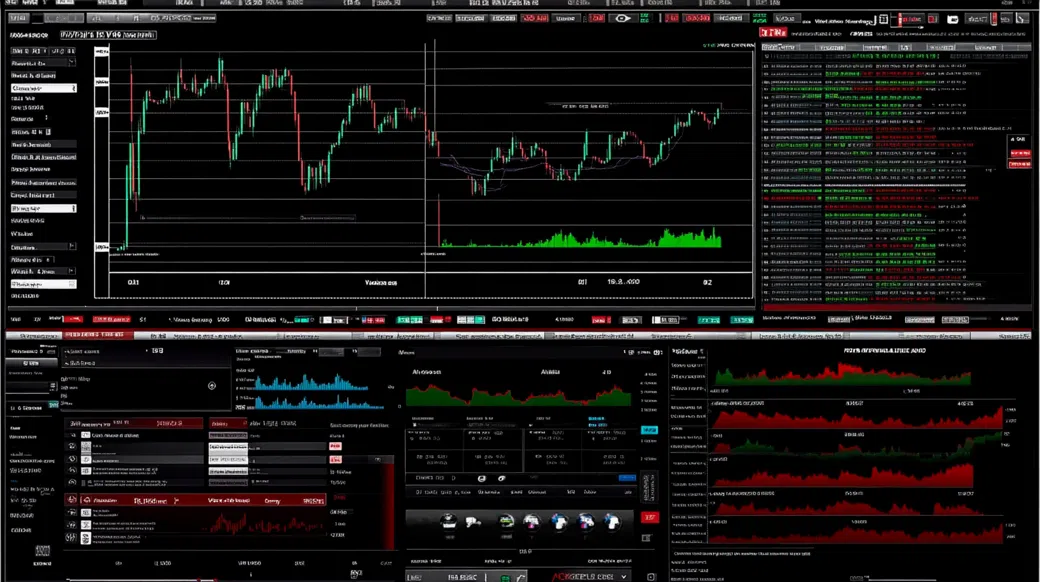
From a Sydney workstation perspective (where latency to Europe can expose weak infrastructure), the WebTrader held up well: charts loaded promptly, quotes refreshed consistently, and I could place market/limit/stop orders without the interface lagging during the Asia-to-London handover. I tested a small US500 position around the NY open and saw minor slippage on a market order—nothing alarming for a CFD feed, but enough to remind you that execution speed and fill quality can drift when liquidity thins. If you live inside MT4/MT5 plugins, custom indicators, or EAs, the proprietary stack will feel lighter, even if it’s easier to navigate.
The Vltava Rendavík app mirrors the web layout closely, and the Vltava Rendavík login flow supported biometric access on my device, which makes quick risk checks more practical. Watchlists synced cleanly, and one-tap position close was available—useful when you’re managing margin on the move. Deposits and withdrawals were accessible inside the app menus rather than hidden behind a web-only portal. My main gripe: dense charts on smaller screens make precision drawing tools fiddly, so I kept analysis on desktop and used mobile for monitoring and execution.
Tooling is adequate for self-directed traders: the chart package includes the common indicator set (MA, RSI, MACD, Bollinger) plus basic drawing and multi-timeframe views, and there’s an economic calendar for event risk planning. An integrated news feed helps with context, but it won’t replace a dedicated research terminal or the depth you get in MT5/cTrader ecosystems. Alerts and watchlists do the job for routine risk management—particularly important when leverage is as high as 1:500.
After entering the usual details (email, phone, and a short suitability-style prompt), the portal pushed me straight into identity checks rather than letting me trade indefinitely “unverified.” For KYC, I uploaded a passport and a recent bank statement as proof of address (dated within three months), and my account moved to verified status later the same business day. That flow is consistent with AML expectations for an offshore CFD venue, even if the compliance bar isn’t identical to Australian brokers.
One practical note: base currency choices weren’t as broad as what you’ll see at a large, locally regulated house, so cross-currency funding may introduce conversion friction. I’d also treat leverage settings as something to earn over time—dial it down until you’ve proven you can survive a sharp index pullback without a margin call.
I tested live chat with a specific question on swap/overnight charges for holding XAU/USD through the rollover, and the agent came back in about three minutes with where to find the financing panel and how triple-swap days are applied. To cross-check, I opened an email ticket asking what triggers additional verification during a Vltava Rendavík withdrawal; the written reply landed in roughly eight hours and listed the usual flags (name mismatch, new payment method, or large jumps in withdrawal size). Both answers were practical rather than copy-pasted marketing.
Coverage ran on a 24/5 rhythm, which suits FX and index traders but leaves a gap if you’re active on crypto CFDs over the weekend. Language options looked region-dependent, and I didn’t see a consistently advertised phone desk inside my account—typical for this segment. If you rely on voice escalation, that’s worth weighing before you size up your deposits.
Before committing real funds, I’d suggest opening a demo to map spreads across your trading hours and confirm which instruments are available in your region. If the interface fits your workflow, move to a small live deposit and test a full deposit-to-withdrawal cycle.
Visit Vltava RendavíkIt can be, provided you treat leverage with respect and start on demo first. The WebTrader is easy to navigate, and the Standard account keeps pricing simple via spread-only costs. Still, beginners should remember CFD losses can exceed expectations quickly if position sizing is sloppy.
Yes, crypto CFDs were available in my account, with BTC and ETH as the core markets. Keep in mind you’re trading a derivative contract, not buying coins into a wallet. Weekend financing and wider spreads during volatility are the two big cost variables to watch.
No—based on my testing it operated like a real CFD broker: KYC was enforced, trades executed, and a withdrawal request was processed. The bigger question is regulation quality, as it sits under an offshore framework rather than a Tier-1 licence. Approach it as a higher-risk counterparty and keep your risk management tight.
No, the USA is restricted. The signup flow may let you browse, but residency and KYC checks are designed to block US clients from funding and trading. If you’re US-based, look for a CFTC/NFA-regulated alternative.
Most withdrawals are queued internally within 24–48 hours once your KYC is complete. After that, timing depends on the rail: cards typically land in 2–5 business days, bank wires in 3–7 business days, and crypto transfers are often same-day. My test withdrawal followed that pattern.
The minimum deposit is $200. That’s enough to open positions, but it doesn’t give you much breathing room if you use high leverage. For longevity, many traders will effectively treat $200 as a “platform test” balance, not a serious trading float.
Yes, there are iOS and Android apps, and they cover trading plus basic funding actions. I was able to monitor margin, adjust stops, and close positions from mobile. For deeper chart work, the desktop WebTrader remains the more comfortable option.
Overall Score: 4.0/5
For traders who think in global macro terms—FX pairs, gold, and equity indices—the appeal is the mix of product breadth and leverage wrapped in a usable proprietary platform. My deposit, trading, and Vltava Rendavík withdrawal checks behaved as expected, with KYC acting as the key control point. The compromise is structural: offshore regulation can mean fewer formal protections if something goes wrong, so I’d keep position sizing conservative and avoid “all-in” balances. As always with CFDs, leverage magnifies both gains and losses, and most retail accounts lose money.
Best for: active CFD traders focused on majors and indices who want a web-first platform and can manage leverage discipline. Avoid if: you require Tier-1 regulation, phone-based escalation, or you’re a long-only investor chasing compounding via real share ownership.