Waardorieel Review 2026: Is It Safe & Worth Your Money?
In-depth Waardorieel review updated for 2026. We tested spreads, key features, supported countries, and safety. Read our full verdict.

In-depth Waardorieel review updated for 2026. We tested spreads, key features, supported countries, and safety. Read our full verdict.
| Min Deposit | $200 |
| Max Leverage | 1:500 |
| Assets | Forex CFDs, Index CFDs, Commodity CFDs, Crypto CFDs, Share CFDs |
| Platforms | WebTrader + iOS/Android mobile apps |
Built around leveraged CFD trading, Waardorieel suits active speculators who want broad markets and punchy leverage, but it comes with the reality of an offshore rulebook and fewer escalation paths if things go wrong. I ran a small test account across Standard and Raw-style pricing tiers and found the cost structure clear enough once you pick your account type. Coverage leans multi-asset—FX and indices feel like the “home screen,” with crypto and shares as satellite markets. The platform stack is a proprietary WebTrader plus a companion mobile app, which keeps it simple but won’t satisfy traders married to MT4/MT5 plug-ins. For the current offer set, start at Waardorieel.
Based on my 2026 hands-on checks, Waardorieel appears operational rather than a “vanishing act” scam: KYC was enforced, trading access matched the account settings, and a withdrawal landed. The important caveat is structure—this broker runs under an offshore registration framework, so protections and dispute channels are not the same as ASIC/FCA-style regimes.
The account I opened showed an entity footprint consistent with a Mauritius FSC-style setup, which is common for international CFD providers offering higher leverage. Offshore status is a double-edged sword: you often get looser leverage caps and faster product expansion, but you give up robust compensation schemes and the comfort of a local ombudsman if a dispute turns ugly. My red-flag scan focused on the stuff that tends to go wrong—aggressive “account manager” pressure, mystery badges, and withdrawals that stall. I didn’t encounter hard-sell tactics, and the site copy included segregated client funds language plus standard AML/KYC prompts. That said, “segregated” is only as good as oversight and internal controls. One more reminder from a strategist’s desk: CFDs are leveraged products; margin calls happen fast, and most retail traders lose money—risk only what you can afford to lose.
The platform primarily targets international clients across parts of Europe (non-EU), MENA, Southeast Asia, and selected LATAM markets, subject to onboarding checks. The USA is blocked, and sanctioned or heavily restricted jurisdictions are typically refused at signup or verification.
| Region | Status | Leverage Cap |
|---|---|---|
| Europe (non-EU/EEA) | Accepted | Up to 1:500 |
| Southeast Asia | Accepted | Up to 1:500 |
| MENA (selected countries) | Accepted | Up to 1:500 |
| Latin America (selected countries) | Accepted | Up to 1:500 |
| USA | Restricted | Not offered |
| Sanctioned jurisdictions | Restricted | Not offered |
Expect eligibility checks to be enforced via a mix of IP/location signals and KYC documents—if your proof of address doesn’t line up, you’ll feel it during verification. Country coverage can shift as policies and payment rails change, so it’s worth confirming before funding.
From an APAC trading lens, this service reads like a “macro toolkit”: enough FX and index depth to express risk-on/risk-off, with commodities and crypto there when volatility wakes up.
All of this is CFD exposure: you’re trading price movement, not taking delivery or gaining shareholder rights. For crypto in particular, you’re not moving coins on-chain; you’re speculating on the quote.
Pricing is split into a spread-only Standard account and a tighter-spread Raw/ECN-style option with a per-lot commission. On my test quotes, the Raw tier lowered the “headline spread” meaningfully, while the Standard tier kept things simpler for smaller tickets. Overall costs sit in the familiar range for offshore CFD brokers—competitive when markets are calm, less forgiving during volatility.
| Asset | Spread/Fee | Market Average Comparison |
|---|---|---|
| EUR/USD (Standard) | From 1.6 pips | In line with typical offshore Standard pricing |
| EUR/USD (Raw/ECN) | From 0.2 pips + $7 round-turn/lot | Competitive for an ECN-style tier |
| Bitcoin (BTC/USD) | From $28 | About average; can widen on weekends |
| Gold (XAU/USD) | From $0.35 | Slightly better than average in liquid hours |
| US500 Index | From 0.9 points | Roughly in the middle of the pack |
Non-spread costs to watch: swap/overnight financing is the silent compounding killer if you hold CFDs for days, especially in high-rate currencies and on crypto over weekends. Dormant accounts face an inactivity charge of $10 per month after 90 days, which matters if you only trade around major events. On withdrawals, the broker-side handling was fee-free in my case, but card issuers, intermediary banks, and FX conversion spreads can still clip you—worth checking inside Waardorieel before you commit serious size.
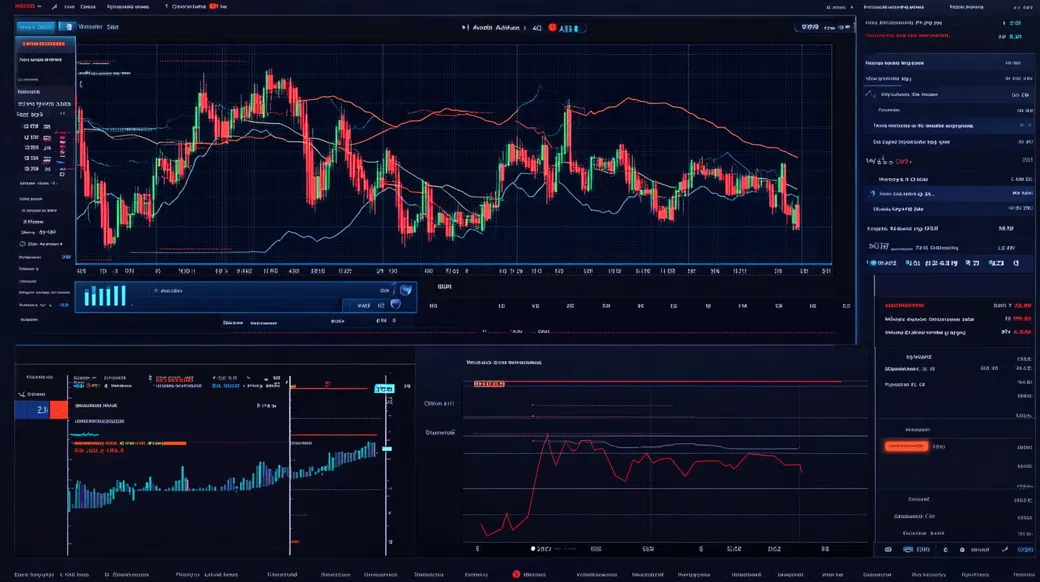
WebTrader is the main workbench here, and it’s geared toward manual execution rather than building a plugin ecosystem. My Waardorieel session stayed stable during the London–NY overlap, with market/limit orders, basic stop-loss/take-profit controls, and one-click position management that suits fast risk trims. Chart layouts are serviceable, but if you live inside MT4/MT5 indicators, EAs, or third-party bridges, you’ll notice the narrower tool universe immediately.
The Waardorieel app mirrors the browser layout closely, which helps when you’re switching between desk and commute. Waardorieel login supported biometric unlock on my device, and I could manage deposits, place orders, and close positions without hunting through menus. Quotes updated smoothly and push alerts for price levels worked once enabled, though the smaller chart area makes multi-indicator setups feel cramped. For simple “check exposure and adjust stops” tasks, it does the job.
Tooling is functional: multi-timeframe charts, the usual indicator set (MA, RSI, MACD, Bollinger), drawing tools, and customizable watchlists. An economic calendar and a lightweight news feed help with event risk, but research depth is not at the institutional end—think quick context, not thesis-building. Traders running systematic workflows may still want external analytics alongside the platform.
After the email/password step, the onboarding funnel asked for standard profile details—residency, source-of-funds prompts, and trading experience checks—before I could access full funding. KYC required a government-issued photo ID plus a proof of address dated within three months (I used a bank statement), and verification cleared later the same business day. The flow felt designed to satisfy AML rules without drowning you in forms, although higher deposit sizes may trigger additional checks.
One small operational note: base currency choices weren’t as flexible as a multi-currency stockbroker, so funding in a mismatched currency can introduce conversion drag. If you’re planning a quick in-and-out around a single catalyst, verifying early avoids delays when you later request a payout.
I tested support with a practical question: whether swap rates were visible before holding gold overnight and how weekend financing is treated on crypto. Live chat replied in roughly three minutes with a clear pointer to the instrument specs page and a reminder that triple-swap conventions can apply on certain days. I then emailed a follow-up about withdrawal processing windows; the ticket response arrived in about eight hours with a step-by-step checklist for KYC completeness.
Coverage is broadly 24/5, which matches the FX week, and response quality felt consistent across channels. Language options seem to depend on staffing shifts, and I wouldn’t assume phone support is available in every region. Over weekends, you can still submit requests, but resolution tends to wait for the next business window—pretty standard for this segment.
If you’re considering this broker, start by checking live spreads on the instruments you actually trade and run a few demo orders to see how margin and stops behave. Region rules can change, so confirm eligibility before depositing real funds.
Visit WaardorieelIt can be, but with guardrails. The interface is approachable and the $10,000 demo helps you learn order tickets and margin, yet the 1:500 leverage ceiling means mistakes compound quickly. If you’re new, keep position sizes small and treat it as a skills-building account, not an investing plan.
Yes, crypto trading is offered via CFDs. You’ll typically see majors like BTC/USD and ETH/USD with pricing that can widen when liquidity thins, especially on weekends. Remember this is derivative exposure, not coin ownership or on-chain transfers.
No, my 2026 test didn’t show classic scam behavior: KYC was required, trading access was consistent, and a withdrawal completed. The nuance is jurisdiction—this is an offshore-style CFD provider, so the safety net is thinner than with Tier-1 regulated brokers. Use prudent sizing and keep expectations realistic.
No, Waardorieel is not available to US residents. The signup and verification process typically filters restricted locations, and US clients are blocked from funding and trading access. If you’re traveling, your documents still need to match an eligible jurisdiction.
Most withdrawals are processed internally within 24–48 hours once KYC is approved. After that, arrival depends on the rail: cards often take 2–5 business days, bank wires around 3–7 business days, and crypto can land the same day. Delays usually come from incomplete verification or bank intermediary steps.
The Waardorieel minimum deposit is $200. That level is enough to test execution and platform flow, but it doesn’t give you much room for drawdowns at high leverage. Consider using the demo first, then fund gradually.
Yes, there’s a Waardorieel app for iOS and Android. It supports trading, account management, and funding/withdrawal navigation, with biometric login available on compatible devices. For deep chart work, the desktop WebTrader remains the more comfortable option.
Overall Score: 4.0/5
For traders who think in macro themes—indices, FX, gold, and a dash of crypto—Waardorieel delivers a coherent multi-asset CFD package with sensible tiered pricing and a usable mobile stack. My small-account cycle (deposit, trade, verify, withdraw) behaved as expected, which is table stakes but still worth confirming. The compromise is jurisdiction: offshore oversight generally means fewer formal protections and less leverage restraint than you’d see at an onshore broker. Treat leverage like a power tool, not a lifestyle choice, and keep risk tight. If you want to compare the live conditions yourself, open a demo at Waardorieel.
Best for: active CFD traders who want high leverage and a clean WebTrader/mobile setup across FX, indices, and commodities. Avoid if: you require Tier-1 regulation, deep third-party platform ecosystems, or you’re primarily a long-term investor focused on unlevered index compounding.