Wolf Vermohof Review 2026: Is It Safe & Worth Your Money?
In-depth Wolf Vermohof review updated for 2026. We tested spreads, key features, supported countries, and safety. Read our full verdict.

In-depth Wolf Vermohof review updated for 2026. We tested spreads, key features, supported countries, and safety. Read our full verdict.
| Min Deposit | $200 |
| Max Leverage | 1:500 |
| Assets | Forex, Indices, Commodities, Crypto CFDs, Share CFDs |
| Platforms | Proprietary WebTrader, iOS app, Android app |
Built for CFD traders who want broad market access with punchy leverage, Wolf Vermohof suits active speculators more than long-horizon index investors, with the headline compromise being an offshore oversight framework. In my test account, the platform split neatly into a spread-only Standard tier and a tighter Raw/ECN-style tier aimed at higher turnover. Markets lean multi-asset—FX and indices feel like the “home screen”, while crypto CFDs are present for out-of-hours volatility. The proprietary WebTrader keeps the workflow clean, and the mobile build is competent for monitoring risk. The main drawback is the lighter dispute and compensation perimeter you typically get outside Tier‑1 regulators; that matters when you’re moving money in and out via Wolf Vermohof.
Wolf Vermohof looked operational and tradeable in my checks—orders filled, KYC was enforced, and withdrawals followed the stated rails—so I wouldn’t label it a “scam” based on testing. The caveat is that it sits in an offshore regulatory setting, which changes how far complaints and compensation mechanisms can realistically go.
From an account-safety lens, the first thing I look for is whether a broker actually makes you prove identity before meaningful withdrawals. Here, verification required a photo ID plus a proof of address dated within three months, and my dashboard stayed in a “limited” state until documents cleared. The provider presents itself as registered under the Mauritius FSC, a common jurisdiction for international CFD firms: you typically get higher leverage and fewer product handcuffs, but you also give up the muscle of local ombudsman pathways and robust compensation schemes. During my test window I watched for the usual red flags—pushy “account manager” calls, flashy awards with no issuer, or withdrawal friction—and didn’t see those patterns. There is language around segregated client funds, but as always offshore, that’s a policy statement rather than a guarantee you can personally enforce. Remember: CFDs use leverage, margin calls arrive fast, and most retail traders lose money—only risk capital belongs here.
This broker primarily targets international clients across parts of Asia-Pacific, MENA, and LATAM, with onboarding filtered through residency and KYC checks. The USA is blocked, and sanctioned or heavily restricted jurisdictions are also kept out.
| Region | Status | Leverage Cap |
|---|---|---|
| Southeast Asia | Accepted | Up to 1:500 |
| Australia & New Zealand | Accepted | Up to 1:500 |
| MENA (selected countries) | Accepted | Up to 1:500 |
| Latin America | Accepted | Up to 1:500 |
| USA | Restricted | Not offered |
| Sanctioned jurisdictions | Restricted | Not offered |
Eligibility isn’t just a checkbox—IP location, document country, and payment method all need to line up at signup and again at withdrawal. Policies can shift with compliance updates, so treat the country list as “current at the time you apply,” not a lifetime promise.
Rather than pretending to be everything to everyone, the lineup feels built for macro-driven CFD trading—FX and index exposure first, then metals, energy, and a crypto sleeve for weekend movement. If you’re coming from an index-investing mindset like mine, remember this is about short-term price exposure, not long-term ownership.
All of the above are traded as CFDs, meaning you’re not buying shares into your name, you don’t receive shareholder voting rights, and “crypto” exposure isn’t an on-chain wallet. Any dividend-style adjustments are typically reflected as cash adjustments on the position rather than true ownership income.
Wolf Vermohof fees follow a familiar two-track model: Standard accounts pay via the spread, while Raw/ECN-style pricing tightens spreads and adds a per-lot commission. On my EUR/USD checks, the Standard tier sat around the middle of the offshore CFD pack, while the Raw option made more sense once trade frequency increased.
| Asset | Spread/Fee | Market Average Comparison |
|---|---|---|
| EUR/USD (Standard) | From 1.4 pips | In line with many offshore CFD brokers |
| EUR/USD (Raw/ECN) | From 0.2 pips + $7/round-turn | Competitive for active traders |
| Bitcoin (BTC/USD) | From $35 | Typical for CFD pricing, widens on weekends |
| Gold (XAU/USD) | From $0.25 | Generally reasonable versus peers |
| US500 Index | From 0.8 points | Close to market norms for CFD indices |
Non-spread costs to watch: Overnight swap/financing is the quiet compounding killer—hold leveraged CFDs for weeks and the carry can outweigh a “good” entry. I also noted an inactivity fee of $10 per month after 90 days without trading, which matters if you’re the set-and-forget type. Withdrawals can be fee-free from the broker’s side depending on method, but card processors, banks, and crypto network fees still bite; add FX conversion costs if you fund in one currency and trade in another. When I pulled up the charges schedule inside Wolf Vermohof, the clearest edge was simply keeping holding periods short and avoiding unnecessary currency hops.
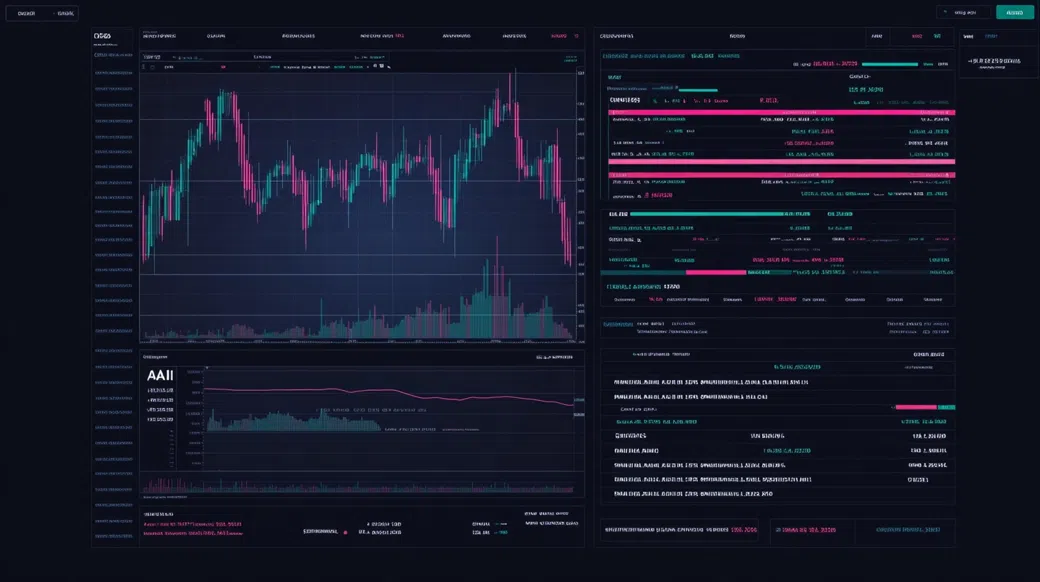
The WebTrader is where I spent most of the time, largely because it loaded reliably across sessions and kept key controls (margin, exposure, P&L) visible without clutter. Order tickets supported market and pending orders with stop-loss/take-profit attached, and execution on a small US500 test position during the Asia-to-London handover felt consistent—no odd “price changed” loops. Still, traders coming from MT4/MT5 ecosystems may miss third‑party indicators, plug-in trade journals, and the sheer volume of community tooling; I didn’t treat MT4/MT5 availability as confirmed in my account.
The Wolf Vermohof app handled the basics well: live quotes, quick position edits, and one-tap closes for de-risking when volatility spikes. Wolf Vermohof login supported biometric unlock on my device, which is a small feature that becomes a big one when you’re checking margin on the commute. Deposits and withdrawals were accessible inside the app, and push notifications for filled orders were available, though I found alerts more reliable when tied to price levels rather than news events. The only quirk: on older Android hardware, chart redraws lagged slightly when stacking indicators.
Charts offered the expected toolkit—multiple timeframes, RSI/MACD/Bollinger-style indicators, and drawing tools for basic structure work. A built-in economic calendar and a compact news feed covered the “what just happened?” moments, but it’s not a replacement for dedicated research terminals or deep broker analytics. Watchlists were easy to build and sync across devices, which helped when tracking the same macro themes across FX, gold, and indices.
My signup started with a standard set of fields (email, phone, residency, and a suitability-style risk prompt) before landing in a clean client portal. KYC followed the usual AML playbook: passport or driver’s licence plus a recent utility bill/bank statement, and verification cleared for me within the same business day. The flow nudged me to set a base currency early, which is worth thinking about if you’re funding in AUD but trading USD-quoted instruments.
Onboarding friction was reasonable, but I’d still treat the Wolf Vermohof minimum deposit as the start of your risk budget, not a “ticket price” to be maximised. If you plan to withdraw soon after funding, get documents approved upfront—waiting until the first cash-out request is where many offshore CFD journeys get needlessly slow.
To pressure-test service quality, I asked live chat a specific question about swap rates on XAU/USD and where they’re displayed before opening a position. The agent joined in roughly three minutes and pointed me to the contract-specs panel, then clarified that triple-swap timing depends on the instrument’s rollover convention. I followed up by email requesting the expected withdrawal processing window for card vs. USDT; the ticket reply landed in about nine hours with method-by-method guidance and a reminder that KYC must be fully approved first.
Support ran on a 24/5 rhythm, which fits the FX-and-indices crowd but leaves weekend crypto traders leaning on self-service pages. Language coverage felt adequate for international clients, while phone support looked variable by region and wasn’t pushed as the primary channel. Relative to similar offshore brokers, the help desk was practical—less “salesy”, more procedural.
If you’re considering an offshore CFD venue, start by validating your country eligibility, then compare Standard vs. Raw pricing on the same instrument you actually trade. A demo run is useful for checking chart feel, order controls, and how margin is displayed before funding live.
Visit Wolf VermohofIt can be, provided a beginner treats it as a learning platform first and keeps position sizes small. The WebTrader is clean and the demo account helps, but leverage up to 1:500 can magnify mistakes quickly. Beginners should focus on risk controls—stop-losses, margin usage, and avoiding overtrading.
Yes, crypto is available as CFDs, including major coins like BTC and ETH. That means you’re speculating on price moves rather than holding coins in a wallet. Expect wider spreads and financing effects during weekends and sharp volatility.
No, my testing didn’t show classic scam behaviour—KYC was required, trading worked as expected, and withdrawals followed stated timelines. The more relevant question is protection level: it operates under an offshore setup (Mauritius FSC), which generally offers less formal recourse than Tier‑1 jurisdictions. As always, only deposit what you can afford to lose when trading CFDs.
No, the USA is restricted on Wolf Vermohof. US residents typically can’t open accounts due to local regulatory requirements. If you’re relocating, expect residency and document checks to determine eligibility.
Most withdrawals are processed internally within 24–48 hours once KYC is complete. From there, cards commonly take 2–5 business days, bank wires around 3–7 business days, and crypto transfers are often same-day. The exact timing depends on your payment rail and bank/chain congestion.
The Wolf Vermohof minimum deposit is $200. That amount is enough to open a live account, but it doesn’t mean you should run high leverage—margin can disappear quickly with CFDs. Many traders use the demo first, then fund gradually.
Yes, there are iOS and Android apps alongside the WebTrader. The mobile experience covers monitoring, placing orders, and managing deposits/withdrawals. It’s strong for risk management on the go, though advanced research is still better handled on desktop.
Overall Score: 4.0/5
If your priority is getting multi-asset CFDs in one place with a choice between spread-only and Raw-style pricing, Wolf Vermohof does the job with fewer rough edges than many offshore peers. My deposit, trading, and withdrawal path was coherent, and the WebTrader/mobile pairing makes it easy to keep an eye on margin—important when leverage runs up to 1:500. The limiter is structural: offshore registration means fewer safety nets if a dispute goes sideways, so discipline matters more than marketing. For traders who respect risk (and accept that CFDs can wipe capital fast), Wolf Vermohof is a credible, execution-focused venue in 2026.
Best for: active CFD traders wanting FX/indices with optional Raw pricing. Avoid if: you need Tier‑1 regulatory protections or you’re investing for long-term compounding rather than short-term price moves.